The Legacy of Iconic Guitar Makers
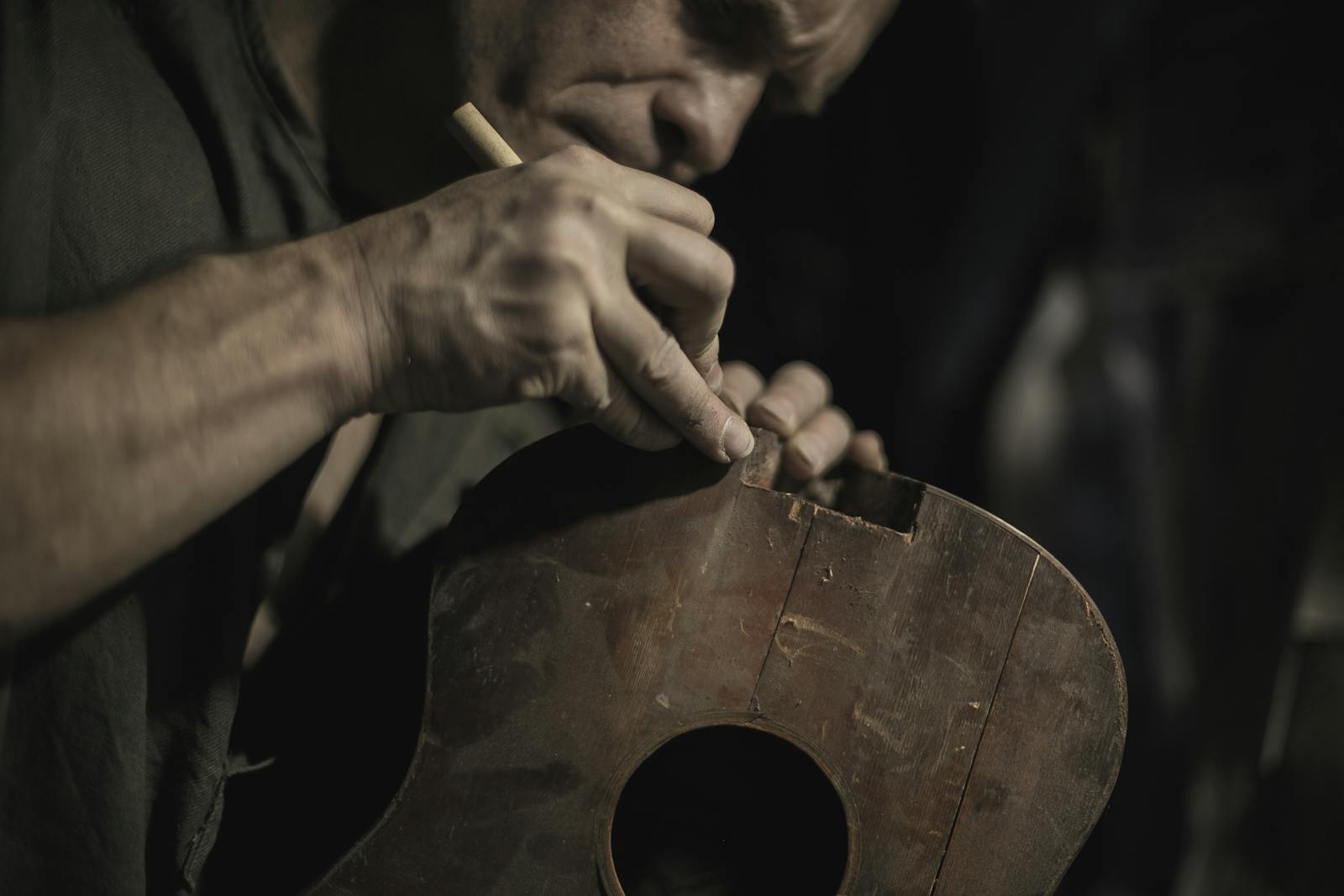
In dimly lit workshops filled with the scent of fresh wood and the hum of creative energy, master craftsmen have been carving out a legacy that resonates through time. These are not just any artisans; they are the legendary guitar makers whose instruments have strummed the chords of history.
From the hallowed halls of concert venues to the intimate corners of smoky blues clubs, their creations have become more than mere musical tools—they are symbols of cultural movements, catalysts for change, and extensions of the artists themselves.
Welcome to a journey into the rich tapestry woven by the iconic guitar makers who’ve shaped the soundscape of generations. Imagine the magnetic pull of a vintage Fender Stratocaster or the velvety tones of a Gibson Les Paul.
These guitars are not only recognized for their unmistakable sounds but also revered for the hands that built them. The story of these iconic guitar makers is one of passion, innovation, and unique craftsmanship.
It’s no coincidence that their names have become synonymous with musical excellence. As we delve deeper into the lives and legacies of these extraordinary creators, you’ll discover how their visionary designs and relentless pursuit of perfection not only changed the way music is played but also inspired countless musicians to find their own voice.
Whether it’s the meticulous details of a Martin acoustic or the avant-garde flair of a Rickenbacker, each instrument tells a story, and each story begins with the iconic guitar makers who dared to dream and to build.
The Origins of Guitar Making Mastery
The art of guitar making dates back centuries, with its origins rooted in the craftsmanship of ancient civilizations. From the ancient Greeks and Romans to the Renaissance period, early luthiers experimented with different materials and techniques to create instruments that produced beautiful sounds.
However, it was during the 18th and 19th centuries that guitar making truly began to flourish. European countries such as Spain, Italy, and Germany became renowned for their skilled artisans who crafted exquisite guitars by hand.
These early pioneers laid the foundation for what would later become a thriving industry. They developed innovative construction methods, perfected bracing patterns, and experimented with various tonewoods to achieve optimal sound quality.
One name that stands out during this period is Antonio de Torres Jurado. Hailing from Spain, Torres is often referred to as the father of modern classical guitar making. His designs revolutionized the instrument by introducing a larger body size and innovative bracing patterns that enhanced volume and projection.
As guitar making continued to evolve, it spread across continents, with each region contributing its own unique style and techniques. From American luthiers like C.F. Martin and Orville Gibson to Italian masters such as Antonio Stradivari’s descendants who turned their attention from violins to guitars, these artisans pushed the boundaries of craftsmanship.
Crafting the Perfect Sound: Techniques and Traditions
Iconic guitar makers have always strived for perfection in sound quality. They have honed their skills over years of practice and passed down their knowledge through generations. One technique that has stood the test of time is hand carving the top or soundboard of a guitar.
This process involves carefully shaping a solid piece of spruce or cedar wood into an arched form that resonates when plucked. The luthier meticulously carves and braces the top to achieve the desired tonal characteristics, ensuring a balance between volume, sustain, and clarity.
Another crucial aspect of guitar making is selecting the right tonewoods. Different woods have distinct tonal properties, and experienced luthiers know how to pair them to achieve specific sounds.
For example, mahogany is often chosen for its warm and balanced tone, while maple offers brightness and clarity. Traditional construction methods such as dovetail neck joints and hide glue assembly are also employed by iconic guitar makers.
These techniques not only contribute to the instrument’s sound but also ensure its longevity. The attention to detail in every step of the construction process is what sets these guitars apart from mass-produced instruments.
Legendary Luthiers: Names that Echo Through Time
The world of guitar making is adorned with names that have become synonymous with excellence. These legendary luthiers have left an indelible mark on the industry through their innovative designs and meticulous craftsmanship.
One such name is Christian Frederick Martin, who founded C.F. Martin & Company in 1833. Martin guitars are renowned for their exceptional quality and tone, thanks to the company’s unwavering commitment to craftsmanship.
From their iconic dreadnought models to their exquisite acoustic-electric guitars, Martin continues to be a favorite among musicians worldwide. Orville Gibson was another visionary who revolutionized guitar design in the late 19th century.
His innovations included archtop guitars with f-holes, which became popular among jazz musicians. Today, Gibson guitars are considered some of the finest instruments ever made, with models like the Les Paul and SG achieving legendary status.
In Italy, one family has left an enduring legacy in guitar making—the Ramirez family. Since 1882, successive generations of Ramirezes have crafted exceptional classical and flamenco guitars. Their instruments are cherished by professional guitarists for their exquisite craftsmanship and rich, resonant tones.
Innovation in Design: Shaping the Future of Guitars
Iconic guitar makers have always pushed the boundaries of design, constantly seeking new ways to improve the playability and sound of their instruments. One area where innovation has been particularly prominent is electric guitar design.
Leo Fender, a pioneer in electric guitar manufacturing, introduced groundbreaking designs that forever changed the music industry. His iconic Stratocaster model, with its sleek body shape and versatile pickup configurations, became a staple in rock ‘n’ roll music.
The Telecaster and Precision Bass are also among Fender’s enduring contributions to the world of electric guitars. Another name synonymous with innovation is Paul Reed Smith (PRS). Founded in 1985, PRS Guitars quickly gained recognition for their meticulous craftsmanship and innovative features.
From their signature bird inlays to their proprietary pickups and electronics, PRS guitars offer a blend of traditional craftsmanship and modern design. The quest for innovation extends beyond electric guitars.
Acoustic guitar makers like Taylor Guitars have introduced advancements such as the Taylor Expression System®, which captures the natural sound of an acoustic guitar when amplified.
These innovations ensure that musicians can achieve their desired tones while preserving the instrument’s acoustic qualities.
The Influence on Music Culture and Movements
The impact of iconic guitar makers extends far beyond the realm of instrument manufacturing. Their creations have played a significant role in shaping music culture and movements throughout history.
For example, during the 1960s counterculture movement, artists like Jimi Hendrix popularized electric guitars as symbols of rebellion and self-expression. Hendrix’s iconic performance at Woodstock, where he set his Stratocaster ablaze, became an enduring image of rock ‘n’ roll rebellion.
In the blues genre, legendary guitarists like B.B. King and Stevie Ray Vaughan relied on their iconic Gibson guitars to create soulful and emotive sounds. The distinct tones produced by these instruments became synonymous with the blues and influenced generations of musicians.
From folk to country to heavy metal, iconic guitar makers have left an indelible mark on various musical genres. Their instruments have become tools for artists to express their emotions, tell stories, and connect with audiences on a profound level.
Iconic Guitar Models: From Stratocasters to Les Pauls
When it comes to iconic guitar models, certain names immediately come to mind. These instruments have become legendary in their own right and are cherished by musicians around the world.
The Fender Stratocaster is perhaps one of the most recognizable electric guitars ever made. Its sleek double-cutaway body shape, versatile pickup configurations, and tremolo system have made it a favorite among guitarists in virtually every genre.
From Eric Clapton to Jimi Hendrix to John Mayer, countless artists have wielded the power of the Stratocaster. Gibson’s Les Paul is another iconic model that has left an indelible mark on music history.
Known for its rich sustain and warm tone, the Les Paul has been a staple in rock music since its introduction in the 1950s. Legends like Jimmy Page, Slash, and Joe Perry have all relied on the Les Paul’s distinctive sound.
Other iconic models include the Martin D-28 acoustic guitar favored by folk musicians such as Bob Dylan and Neil Young, as well as Rickenbacker’s 12-string electric guitars that helped define the sound of bands like The Beatles and The Byrds.
Preserving Legacy: The Art of Guitar Restoration
As time passes, vintage guitars become increasingly rare and valuable. Preserving these instruments requires a unique set of skills possessed by expert guitar restorers.
Guitar restoration is a delicate process that involves repairing and preserving vintage instruments while maintaining their original integrity. Restorers carefully assess the condition of the instrument, repair any damage, and ensure that it retains its playability and tonal qualities.
Restoration work can range from minor repairs, such as replacing worn frets or repairing cracks in the body, to more extensive projects like refinishing or recreating missing parts. It requires a deep understanding of the instrument’s construction techniques and materials used during its era.
Guitar restoration not only preserves the legacy of iconic instruments but also allows future generations to experience their unique sound and craftsmanship.
Passing the Torch: Mentorship and Apprenticeship
The art of guitar making is not only about individual craftsmanship but also about passing down knowledge from one generation to the next. Mentorship and apprenticeship play a crucial role in ensuring that traditional techniques are preserved.
Experienced luthiers often take on apprentices who learn the craft through hands-on training. These apprenticeships can last several years, during which aspiring guitar makers acquire essential skills in design, construction, and repair.
Mentorship programs provide opportunities for emerging luthiers to learn from established masters. This exchange of knowledge ensures that traditional techniques are carried forward while allowing for innovation and new ideas to flourish.
Honoring the Legends: Tribute Concerts and Exhibitions
To celebrate the enduring legacy of iconic guitar makers, tribute concerts and exhibitions are held around the world. These events bring together musicians, collectors, and enthusiasts to pay homage to the craftsmanship and innovation that have shaped the guitar industry.
Tribute concerts feature renowned artists performing on iconic instruments, recreating the sounds that defined generations. These performances not only showcase the versatility of these guitars but also serve as a reminder of their cultural significance.
Exhibitions provide an opportunity for enthusiasts to see rare and vintage instruments up close. They often include displays of iconic guitars, historical artifacts, and interactive exhibits that allow visitors to explore the artistry behind these instruments.
Conclusion: The Enduring Impact of Iconic Guitar Makers
The legacy of iconic guitar makers is woven into the fabric of music history. Their visionary designs, innovative techniques, and unwavering commitment to craftsmanship have shaped the soundscape of generations.
From classical guitars crafted by Antonio de Torres Jurado to electric guitars designed by Leo Fender and Paul Reed Smith, each instrument tells a story. They are more than just tools for making music; they are symbols of creativity, passion, and self-expression.
As we honor the legacy of these legendary luthiers, we recognize their enduring impact on music culture and movements. Their instruments continue to inspire musicians worldwide and will undoubtedly shape the future of guitar making for years to come.