Learning guitar as an adult
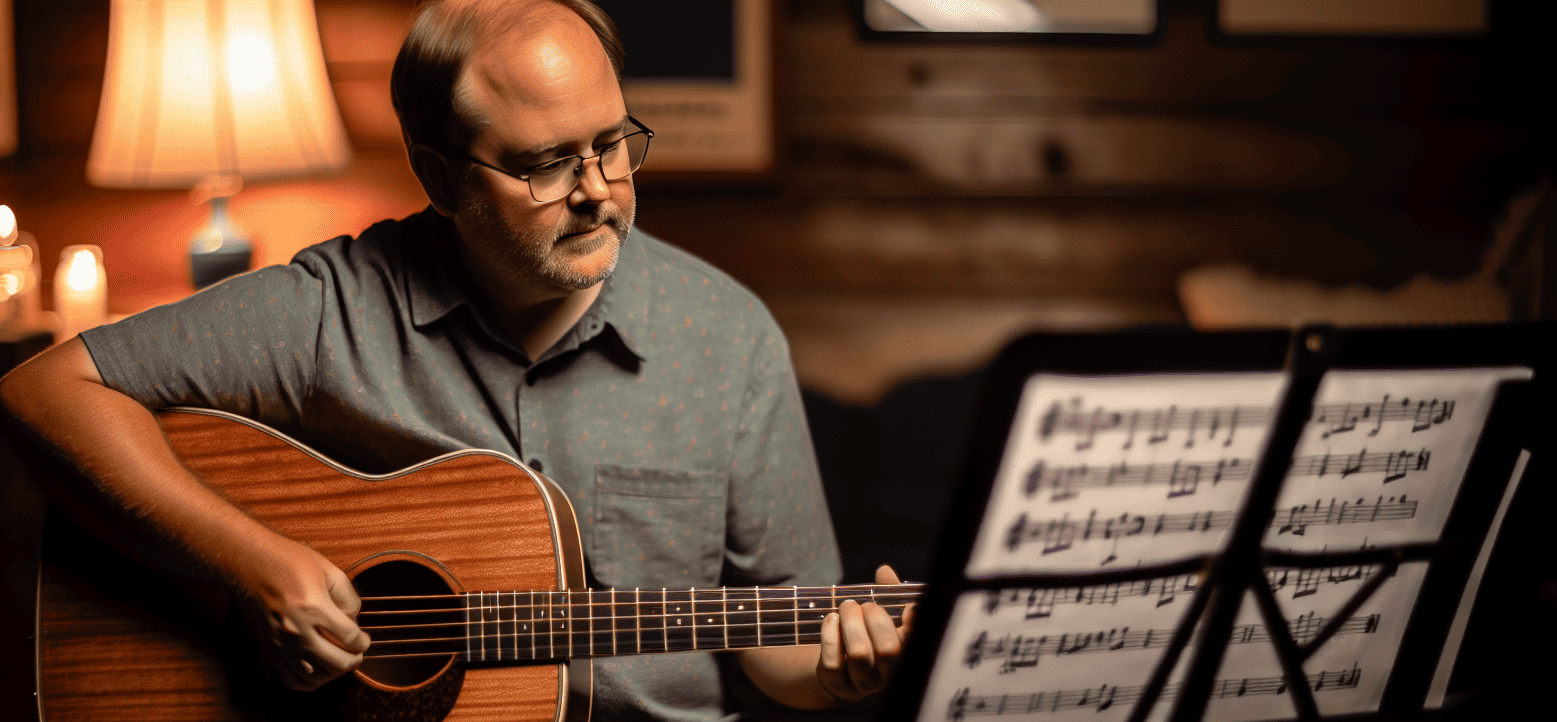
Learning guitar as an adult, with its nuanced expression and intricate techniques, can be a deeply rewarding instrument to learn. Many adults find themselves drawn to its beauty and are eager to master it, whether as a new hobby or as a continuation of an old passion. Learning any instrument as an adult, however, comes with its own unique set of challenges. This article explores key insights and considerations for adults learning classical guitar, focusing on the importance of guidance, patience, and realistic expectations.
1. Access to a Good Teacher: The Foundation for Success
One of the most significant factors in an adult’s successful learning journey is access to a good teacher. Even a short period of guidance can establish a solid foundation in posture, technique, and practice habits. Unlike children, who may pick up habits more organically over time, adults benefit from explicit instruction in the mechanics of playing. For classical guitar, this means learning how to sit properly, how to position the hands, and how to execute fundamental techniques like plucking, fretting, and transitioning between chords.
A qualified teacher can also help avoid injury, as improper posture or technique can lead to strain, particularly in older adults. Since the guitar involves repetitive finger movements and hand positioning, it’s easy to develop bad habits that might go unnoticed without expert feedback. A teacher ensures that your practice is efficient and productive, which is crucial given the limited time adults often have for practice. Moreover, having someone to guide you means you can focus on incremental progress, staying motivated and challenged without getting overwhelmed.
2. Quality Over Quantity: Making Practice Count
When it comes to learning classical guitar, many adult beginners fall into the trap of thinking that more practice will automatically lead to better results. While practice is certainly essential, the quality of that practice is far more important than the quantity. Practicing for hours with poor technique, bad habits, or without focus can be counterproductive, leading to frustration and stagnation.
Effective practice involves concentration, mindfulness, and a structured approach. It’s not just about running through scales or songs but about breaking them down into manageable sections, focusing on problem areas, and improving specific techniques. For example, spending 15 focused minutes working on right-hand finger independence or perfecting a tricky chord transition will yield better long-term results than spending an hour aimlessly playing through a piece from start to finish.
Adults are often juggling other responsibilities—work, family, social obligations—so they may not have hours to dedicate to practice. The key is to make the time they do have as efficient as possible. A good teacher can also help structure practice routines to ensure that each session builds on the last, ensuring steady progress without burnout.
3. Choosing the Right Repertoire: The Importance of Skill-Appropriate Pieces
One of the biggest mistakes adult learners make is jumping into advanced repertoire before they are ready. It’s easy to be inspired by professional players or advanced students and want to tackle the same pieces they perform. However, diving into challenging works without a solid technical foundation often leads to frustration and disappointment.
Choosing repertoire that matches your current skill level is crucial for several reasons. First, it ensures that you’re building the necessary technical and musical skills step by step. Trying to play advanced pieces without mastering the basics—such as finger placement, plucking techniques, and rhythmic precision—can result in sloppy playing and bad habits that are difficult to correct later. Additionally, simpler pieces, especially those found in instructional books or beginner studies, can be musically satisfying and enjoyable. They provide opportunities for growth while allowing you to play complete, polished pieces, which fosters a sense of accomplishment.
It’s also important to recognize that progress in classical guitar is cumulative. Each piece you learn, no matter how simple, is part of a larger journey. A well-selected repertoire can be both a source of enjoyment and a stepping stone to more advanced works. It allows you to build confidence and technique in a way that prepartes you for the more demanding pieces that may once have seemed out of reach.
4. Learning Guitar as an Adult; Persistence Pays Off
Learning an instrument is not a sprint; it’s a marathon. Adults who persist with their classical guitar studies will succeed in their own way, regardless of the age they started. One of the great joys of learning as an adult is the freedom to progress at your own pace, without the pressure of recitals or competitions. While it’s true that you may not reach the level of a professional concert guitarist if you start learning later in life, there is immense satisfaction to be found in achieving personal milestones, however modest they may seem.
Many adult learners fall into the trap of comparing themselves to younger players or professional musicians. However, success in music should not be defined by external benchmarks but by the joy and fulfillment it brings. Whether you start in your 30s, 50s, or beyond, the key to success is persistence. Progress may be slower than it would have been in your youth, but with time and dedication, you can still reach a high level of proficiency and find immense satisfaction in your playing.
5. Age and Physiological Challenges: The Realities of Learning Later in Life
As we age, our bodies naturally go through changes that can affect our ability to play an instrument like the classical guitar. Finger dexterity, muscle memory, and even hearing may decline with age. These physiological challenges can make it more difficult to achieve the same level of technical prowess as younger learners. However, this doesn’t mean that adults can’t become skilled guitarists—it just means that expectations need to be adjusted.
For adults beginning their classical guitar journey after the age of 35, the goal should be to play “pretty well” rather than to aim for professional-level proficiency. The beauty of learning music, especially as an adult, is that you can enjoy the process without worrying about becoming the next Andrés Segovia.
Older adults may find that they have more time to practice and can focus more deeply on the learning process itself. While the body may be slower to adapt, the mind, with its life experience and capacity for reflection, can often compensate, allowing for more nuanced interpretations of music.
6. Patience and Structure: Avoiding Common Pitfalls
One of the most common pitfalls for adult learners is impatience. Many students, eager to play their favorite pieces, will attempt songs far beyond their technical abilities. This often leads to incomplete learning—students might master one part of a song but struggle to play the piece as a whole. As a result, they end up cycling through multiple pieces without ever feeling a sense of mastery or completion.
Structured learning, with the guidance of a teacher, helps prevent this. By focusing on foundational skills first—such as finger independence, sight-reading, and rhythm—adult learners can build the technique necessary to tackle more challenging pieces later on. A patient approach to learning allows adults to enjoy the journey rather than rushing toward a destination.
Conclusion
Learning classical guitar as an adult is a deeply rewarding experience, but it requires patience, persistence, and realistic expectations. With the help of a good teacher, structured practice, and a thoughtful approach to repertoire, adult learners can build a strong foundation, avoid frustration, and find joy in every step of their musical journey.
Do you know the 12 major scales and their key signatures?
- Yes
- No
Keep reading
February 23, 2026 · 7 min read
Why 90% of Guitarists Quit (And How to Be in the 10%)
Introduction: The Practice Problem A study by Fender found a startling statistic: 90% of new guitar players quit within the first year. This isn’t just about guitar; it’s a universal challenge for…
November 25, 2024 · 6 min read
Unlock Musical Mysteries with Engaging Online Music Theory Classes
Unlock Musical Mysteries with Engaging Online Music Theory Classes Imagine standing in a vast, echoing hall, surrounded by the rich tapestry of sound created by a symphony orchestra. Each note…
July 8, 2024 · 4 min read
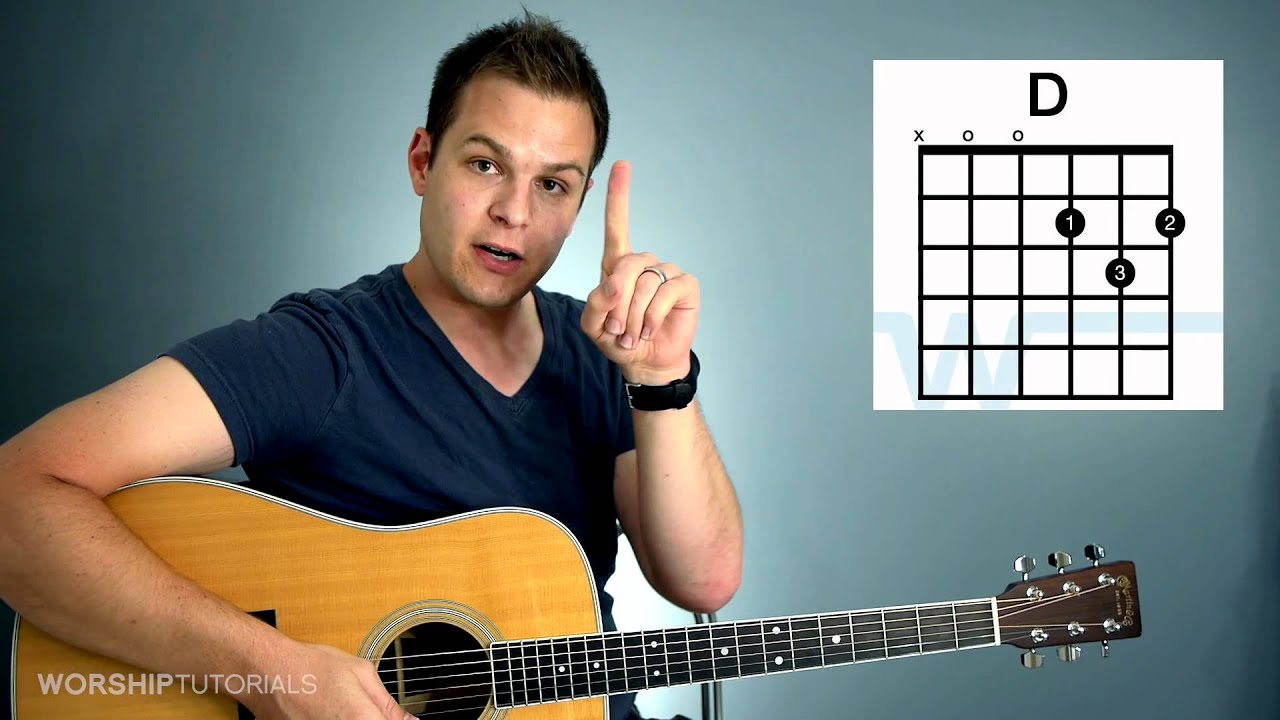
Guitar Lesson – How To Play Your First Chord
How To Play Your First Chord How To Play Your […]