Guitar Lesson – How To Play Your First Chord
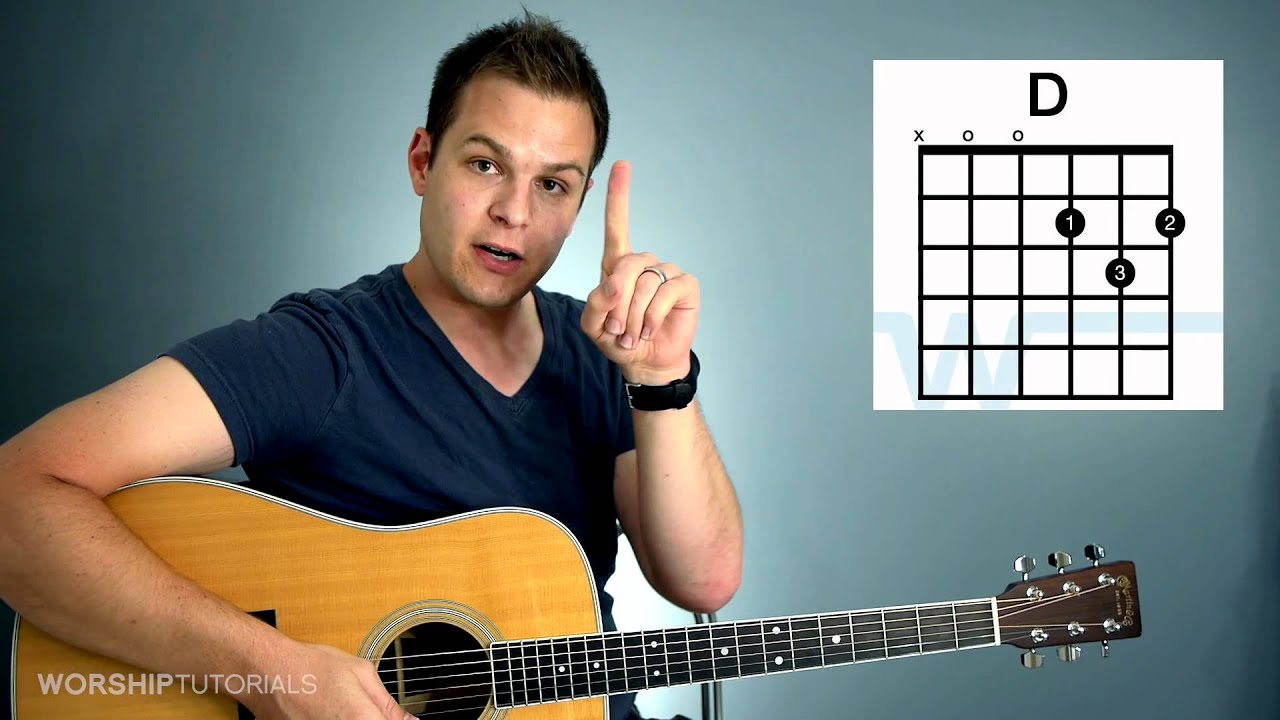
How To Play Your First Chord is an exciting journey into the world of music. Whether you’re a beginner or brushing up on your skills, learning to play basic chords is essential for any guitarist. Among the first chords you’ll likely encounter are G, D7, A, Am, C, E, Em, and D. Each of these chords lays a foundation for countless songs and helps you develop the dexterity and coordination needed to progress as a guitarist.
The First Chord: D Major
The D major chord is often considered one of the easiest chords for beginners. This chord requires only three fingers and spans just three strings, making it less daunting compared to some other chords. Here’s how to play it:
- Place your index finger on the second fret of the G (third) string.
- Place your middle finger on the second fret of the high E (first) string.
- Place your ring finger on the third fret of the B (second) string.
- Strum from the D string (fourth string) downwards, avoiding the low E (sixth) and A (fifth) strings.
The D major chord has a bright, resonant sound that forms the basis of many popular songs. Because it uses fewer strings, it’s easier to ensure all the notes ring out clearly, which is encouraging for beginners.
Exploring Other Chords
Once you’re comfortable with the D major chord, it’s time to explore other essential chords. Each chord brings a unique flavor to your playing and helps you build a versatile repertoire.
How To Play Your First Chord
The G major chord is another fundamental chord, though it can be a bit more challenging for beginners due to the stretch required:
- Place your middle finger on the third fret of the low E (sixth) string.
- Place your index finger on the second fret of the A (fifth) string.
- Place your ring finger on the third fret of the high E (first) string.
- Strum all six strings.
The G major chord produces a full, rich sound and is a staple in many genres of music.
How to play your first Chord includes the D7
The D7 chord adds a slightly bluesy, jazzy feel to your playing:
- Place your index finger on the first fret of the B (second) string.
- Place your middle finger on the second fret of the G (third) string.
- Place your ring finger on the second fret of the high E (first) string.
- Strum from the D string (fourth) downwards.
How to play your first Chord includes the A major chord
The A major chord is another essential chord that’s relatively easy to play:
- Place your index finger on the second fret of the D (fourth) string.
- Place your middle finger on the second fret of the G (third) string.
- Place your ring finger on the second fret of the B (second) string.
- Strum from the A string (fifth) downwards, avoiding the low E (sixth) string.
A Minor (Am)
The A minor chord, with its somber tone, is closely related to the A major chord but slightly different:
- Place your index finger on the first fret of the B (second) string.
- Place your middle finger on the second fret of the D (fourth) string.
- Place your ring finger on the second fret of the G (third) string.
- Strum from the A string (fifth) downwards.
C Major
The C major chord is another widely used chord that requires a bit more finger stretching:
- Place your ring finger on the third fret of the A (fifth) string.
- Place your middle finger on the second fret of the D (fourth) string.
- Place your index finger on the first fret of the B (second) string.
- Strum from the A string (fifth) downwards, avoiding the low E (sixth) string.
Practice Tips for How To Play Your First Chord
- Finger Placement: Ensure your fingers are pressing down on the strings just behind the frets to get a clean sound.
- Strumming: Practice strumming slowly and accurately, ensuring all strings that should be heard ring out clearly.
- Transitioning: Work on smoothly transitioning between chords. Start slow, and as you become more comfortable, increase your speed.
Learning how to play your first chord opens the door to playing countless songs and sets the foundation for more advanced techniques. Practice regularly, be patient with yourself, and enjoy the process of mastering your first guitar chords.
Our vision is that every church in the world would experience worship that is both excellent and authentic. We are here to help you make that happen.
CURRENT GEAR – stuff we use in (and to make) videos
Cameras:
Sony FX3:
Sony a74:
Acoustic Guitars:
McPherson Acoustics (Camrielle, Carbon Fiber Sable):
Martin D-35 //
Martin 000-28 //
Taylor 414ce //
LR Baggs Anthem Pickup (in both) //