Guitar Chords
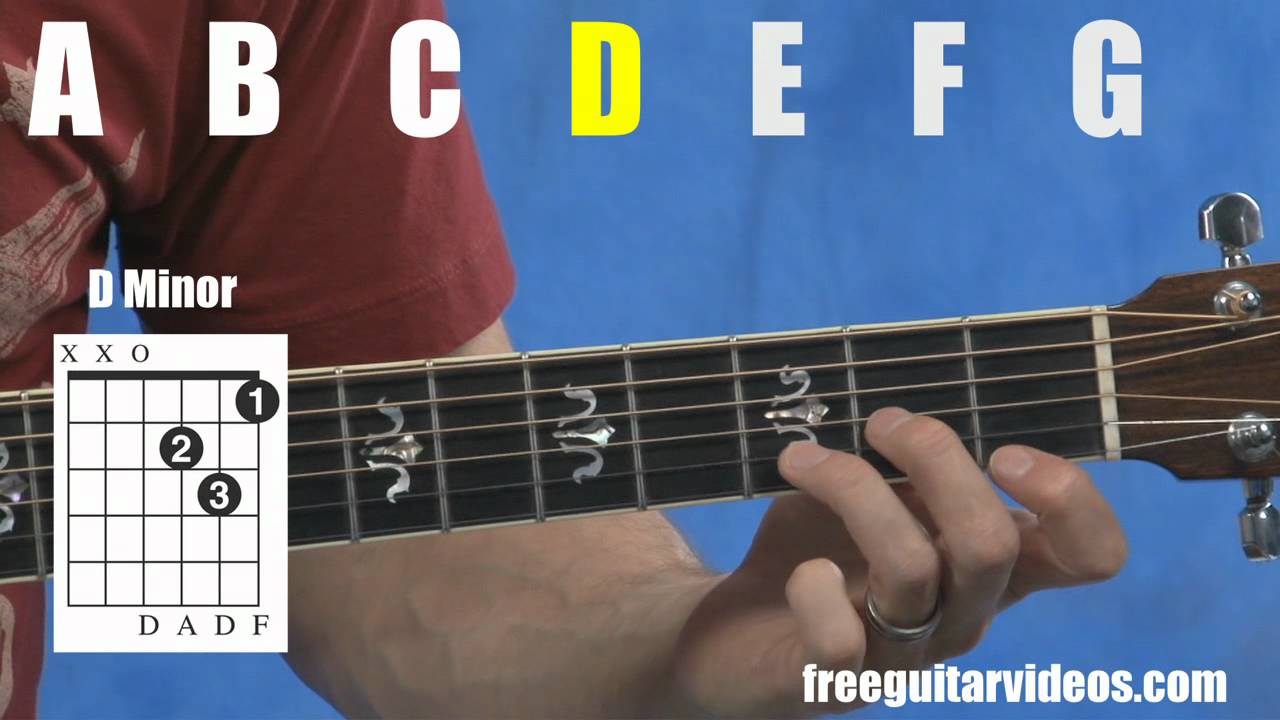
Mastering the Art of Guitar Chord Charts: Guitar chord charts, also known as tablature or simply “tabs,” are invaluable tools for guitarists of all skill levels. These visual aids provide a clear and intuitive representation of how to form guitar chords, making them essential for beginners and a handy reference for more experienced players. In this comprehensive guide, we’ll explore the intricacies of chord charts, their benefits, and how to use them effectively to enhance your guitar playing skills.
Understanding Chord Charts
Chord charts are designed to mimic the guitar’s fretboard, providing a visual representation of finger placement for various chords. To read a chord chart effectively, imagine looking at your guitar from a top-down perspective, with the headstock at the top
Vertical Lines: These represent the six strings of the guitar, typically arranged from left to right (low E to high E)
Horizontal Lines: These depict the frets on the guitar neck. The thicker top line represents the nut, while subsequent lines indicate frets
Symbols:
- “X” means the string should not be played (closed)
- “O” indicates an open string that should be played without pressing any frets
- Black dots show where to place your fingers on the fretboard
Finger Numbering: Numbers at the bottom of the chart (1-4) correspond to your fingers, starting with the index finger as 1 and ending with the pinky as 4
Reading and Interpreting Chord Charts
Let’s take a closer look at how to interpret a chord chart using a common chord as an example.The D Chord:
- Place your index finger (1) on the second fret of the G string
- Your ring finger (3) goes on the third fret of the B string
- Put your middle finger (2) on the second fret of the high E string
- Strum the D, G, B, and high E strings together
- Do not play the low E and A strings (marked with “X”)
By following these instructions, you’ll be able to form and play a D major chord correctly.
Benefits of Using Chord Charts
- Accessibility: Chord charts provide easy access to a wide variety of chord shapes and positions, making them an excellent resource for expanding your chord vocabulary
- Beginner-Friendly: For those just starting their guitar journey, chord charts offer a simple and intuitive way to learn and practice chords without the need for extensive music theory knowledge
- Quick Reference: Even experienced players find chord charts useful for quickly finding and experimenting with new chord variations or refreshing their memory on less frequently used chords
- Visual Learning: The visual nature of chord charts makes them particularly helpful for those who learn best through visual aids, complementing other learning methods like audio instruction or written notation.
Potential Drawbacks and How to Overcome Them
While chord charts are incredibly useful, it’s important to be aware of potential limitations:
- Limited Variations: Chord charts may not cover all possible chord variations or voicings. To overcome this, supplement your learning with other resources and explore different chord positions on your own.
- Ear Training: Relying too heavily on chord charts might hinder the development of ear training skills. Make sure to practice identifying chords by ear and not solely rely on visual aids
- Dependency: There’s a risk of becoming overly dependent on chord charts rather than internalizing chord shapes. To avoid this, challenge yourself to play without charts once you’ve learned a chord
Advanced Use of Chord Charts
As you progress in your guitar playing journey, you can use chord charts to explore more complex concepts:Barre Chords: These chords require you to press down multiple strings with one finger (usually the index finger). Chord charts for barre chords will often show a thick line across all strings at a specific fret
Alternative Voicings: Experiment with different positions for the same chord. For example, there are multiple ways to play a C major chord, each with its own unique sound and application.Jazz Chords: More advanced chord charts may include complex jazz chords with extended harmonies. These charts often use additional symbols to indicate 7ths, 9ths, and other chord extensions.
Integrating Chord Charts into Your Practice Routine
To make the most of chord charts, incorporate them into your practice routine:
- Start with basic open chords and gradually move to more complex formations.
- Practice transitioning between chords using chord charts as a reference.
- Challenge yourself to play simple songs using only chord charts.
- Create a personal chord book by collecting charts of your favorite or most-used chords.
Beyond Chord Charts: Expanding Your Musical Horizons
While chord charts are excellent learning tools, they should be part of a broader approach to guitar mastery:Music Theory: Understanding the theory behind chord construction can help you create your own chord voicings and progressions.Ear Training: Develop your ability to recognize chords by ear, which will enhance your overall musicianship.Rhythm and Strumming: Pair your chord knowledge with various strumming patterns to create more dynamic and interesting guitar parts.Songwriting: Use your growing chord vocabulary to write your own songs and explore different chord progressions.
Conclusion
Chord charts are powerful tools that can significantly accelerate your guitar learning process. They provide a clear, visual representation of chord shapes, making it easier for beginners to start playing and for more advanced guitarists to expand their chord vocabulary. By understanding how to read and interpret chord charts effectively, you can unlock a world of musical possibilities on your guitar.
Remember, while chord charts are incredibly useful, they should be used as part of a well-rounded approach to learning guitar. Combine them with ear training, music theory, and plenty of practice to become a well-rounded and skilled guitarist. Whether you’re just starting out or looking to expand your chord knowledge, chord charts will be an invaluable resource on your musical journey.
Guitar Chords is a reference video for beginners by Peter Vogl that will teach you how to play 14 basic guitar chords. Learn over 900 guitar chords with The Guitarist’s Chord Book by Peter Vogl. Get it now at Amazon