A Deep Dive into Guitar Construction
The guitar, an instrument as captivating to listen to as it is to behold, is a result of meticulous craftsmanship and thoughtful design. Behind every power chord and heart-wrenching melody lies the work of a skilled guitar luthier, or guitar maker. This article delves into the fascinating world of guitar construction, exploring the materials, methods, and magic that goes into building these beautiful instruments.
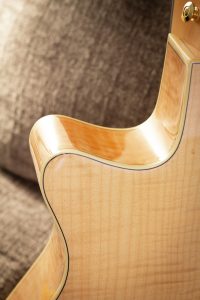
The Building Blocks: Unveiling the Role of Wood
Wood selection is paramount in guitar building, as different wood types significantly impact the instrument’s tone and overall quality. Here’s a breakdown of some commonly used woods and their tonal characteristics:
- Top Woods: The top wood, also known as the soundboard, plays a crucial role in projecting the guitar’s sound. Spruce, known for its bright and articulate sound, is a popular choice for acoustic guitars. Cedar offers a warmer and woodier tone, often favored for fingerstyle playing.
- Back and Sides Woods: The back and sides resonate with the top, shaping the overall tonal character. Mahogany is a versatile wood, delivering a warm, balanced sound. Rosewood offers a brighter and more articulate response, often used in high-end guitars.
Beyond Wood Types: Exploring Construction Techniques
The construction method also significantly impacts the guitar’s sound and playability. Here’s a look at some common techniques:
- Solid vs. Laminated Woods: Solid wood guitars are crafted from single pieces of wood, resulting in a richer and more resonant sound. However, they are more expensive and susceptible to environmental changes. Laminated wood guitars use thin layers of wood glued together, offering affordability and better stability.
- Bracing Patterns: Braces are internal wooden supports that reinforce the guitar’s top and influence its sound projection. Different bracing patterns, like X-bracing or fan bracing, create distinct tonal characteristics.
- Neck Construction: The neck, which connects the body to the fretboard, is usually made from mahogany or maple. The way the neck is attached to the body (set neck, bolt-on neck) affects sustain and overall feel.
The Nuances of Tone: Quality vs. Beginner Guitars
The differences between a well-crafted, high-quality guitar and a beginner guitar lie in the quality of materials, construction techniques, and attention to detail. Here’s what sets them apart:
- Wood Selection: High-quality guitars often use premium, aged tonewoods that have been carefully selected for their tonal properties. These woods tend to resonate more evenly and produce a richer, more complex sound.
- Construction Techniques: Skilled luthiers employ meticulous techniques like hand-carving and dovetail neck joints, ensuring a tight fit and superior structural integrity. This translates to better sustain, improved tuning stability, and a more comfortable playing experience.
- Fit and Finish: High-quality guitars boast a flawless finish, with smooth fret edges and precise action (string height). This meticulous attention to detail contributes to overall playability and comfort.
Beyond the Basics: Exploring Different Guitar Types
The world of guitar construction extends beyond the standard acoustic guitar. Here’s a glimpse into the construction variations of different guitar types:
- Electric Guitars: Electric guitars rely on pickups to capture string vibrations and convert them into electrical signals. The body woods can significantly affect the tone, with mahogany offering warmth and alder providing a brighter character. Electric guitars also feature a wider variety of construction methods, with solid bodies, semi-hollow bodies, and hollow bodies offering distinct sonic landscapes.
- Classical Guitars: Classical guitars typically use nylon strings instead of steel strings, resulting in a warmer and mellower tone. The body size and bracing patterns are also different, catering to the fingerstyle playing technique commonly used in classical music.
The Art and Soul of Guitar Making
Guitar building is more than just assembling parts – it’s a blend of artistry and technical expertise. A skilled luthier understands the complex interplay between wood selection, construction methods, and design choices. They meticulously craft each instrument, ensuring not only structural integrity but also tonal excellence and a comfortable playing experience.
The Journey of Building Your Dream Guitar
Whether you’re a seasoned musician or an aspiring guitarist, understanding the intricacies of guitar construction provides a deeper appreciation for the instrument. For some, it might even ignite a passion for guitar making. If you’re considering venturing into the world of luthiery, here are some resources to get you started:
- Luthier Schools and Workshops: Several schools and workshops offer comprehensive programs that teach the art and science of guitar building.
- Online Resources: The internet is a treasure trove of information on guitar making, with tutorials, forums, and communities dedicated to the craft.
- Books and Magazines:
Unveiling the Secrets: A Deep Dive into Guitar Construction
The guitar, an instrument as captivating to listen to as it is to behold, is a result of meticulous craftsmanship and thoughtful design. Behind every power chord and heart-wrenching melody lies the work of a skilled guitar luthier, or guitar maker. This article delves into the fascinating world of guitar construction, exploring the materials, methods, and magic that goes into building these beautiful instruments.
The Building Blocks: Unveiling the Role of Wood
Wood selection is paramount in guitar building, as different wood types significantly impact the instrument’s tone and overall quality. Here’s a breakdown of some commonly used woods and their tonal characteristics:
- Top Woods: The top wood, also known as the soundboard, plays a crucial role in projecting the guitar’s sound. Spruce, known for its bright and articulate sound, is a popular choice for acoustic guitars. Cedar offers a warmer and woodier tone, often favored for fingerstyle playing.
- Back and Sides Woods: The back and sides resonate with the top, shaping the overall tonal character. Mahogany is a versatile wood, delivering a warm, balanced sound. Rosewood offers a brighter and more articulate response, often used in high-end guitars.
Beyond Wood Types: Exploring Construction Techniques
The construction method also significantly impacts the guitar’s sound and playability. Here’s a look at some common techniques:
- Solid vs. Laminated Woods: Solid wood guitars are crafted from single pieces of wood, resulting in a richer and more resonant sound. However, they are more expensive and susceptible to environmental changes. Laminated wood guitars use thin layers of wood glued together, offering affordability and better stability.
- Bracing Patterns: Braces are internal wooden supports that reinforce the guitar’s top and influence its sound projection. Different bracing patterns, like X-bracing or fan bracing, create distinct tonal characteristics.
- Neck Construction: The neck, which connects the body to the fretboard, is usually made from mahogany or maple. The way the neck is attached to the body (set neck, bolt-on neck) affects sustain and overall feel.
The Nuances of Tone: Quality vs. Beginner Guitars
The differences between a well-crafted, high-quality guitar and a beginner guitar lie in the quality of materials, construction techniques, and attention to detail. Here’s what sets them apart:
- Wood Selection: High-quality guitars often use premium, aged tonewoods that have been carefully selected for their tonal properties. These woods tend to resonate more evenly and produce a richer, more complex sound.
- Construction Techniques: Skilled luthiers employ meticulous techniques like hand-carving and dovetail neck joints, ensuring a tight fit and superior structural integrity. This translates to better sustain, improved tuning stability, and a more comfortable playing experience.
- Fit and Finish: High-quality guitars boast a flawless finish, with smooth fret edges and precise action (string height). This meticulous attention to detail contributes to overall playability and comfort.
Beyond the Basics: Exploring Different Guitar Types
The world of guitar construction extends beyond the standard acoustic guitar. Here’s a glimpse into the construction variations of different guitar types:
- Electric Guitars: Electric guitars rely on pickups to capture string vibrations and convert them into electrical signals. The body woods can significantly affect the tone, with mahogany offering warmth and alder providing a brighter character. Electric guitars also feature a wider variety of construction methods, with solid bodies, semi-hollow bodies, and hollow bodies offering distinct sonic landscapes.
- Classical Guitars: Classical guitars typically use nylon strings instead of steel strings, resulting in a warmer and mellower tone. The body size and bracing patterns are also different, catering to the fingerstyle playing technique commonly used in classical music.
The Art and Soul of Guitar Making
Guitar building is more than just assembling parts – it’s a blend of artistry and technical expertise. A skilled luthier understands the complex interplay between wood selection, construction methods, and design choices. They meticulously craft each instrument, ensuring not only structural integrity but also tonal excellence and a comfortable playing experience.
The Journey of Building Your Dream Guitar
Whether you’re a seasoned musician or an aspiring guitarist, understanding the intricacies of guitar construction provides a deeper appreciation for the instrument. For some, it might even ignite a passion for guitar making. If you’re considering venturing into the world of luthiery, here are some resources to get you started:
- Luthier Schools and Workshops: Several schools and workshops offer comprehensive programs that teach the art and science of guitar building.
- Online Resources: The internet is a treasure trove of information on guitar making, with tutorials, forums, and communities dedicated to the craft.
- Books and Magazines:
Unveiling the Secrets: A Deep Dive into Guitar Construction
The guitar, an instrument as captivating to listen to as it is to behold, is a result of meticulous craftsmanship and thoughtful design. Behind every power chord and heart-wrenching melody lies the work of a skilled guitar luthier, or guitar maker. This article delves into the fascinating world of guitar construction, exploring the materials, methods, and magic that goes into building these beautiful instruments.
The Building Blocks: Unveiling the Role of Wood
Wood selection is paramount in guitar building, as different wood types significantly impact the instrument’s tone and overall quality. Here’s a breakdown of some commonly used woods and their tonal characteristics:
- Top Woods: The top wood, also known as the soundboard, plays a crucial role in projecting the guitar’s sound. Spruce, known for its bright and articulate sound, is a popular choice for acoustic guitars. Cedar offers a warmer and woodier tone, often favored for fingerstyle playing.
- Back and Sides Woods: The back and sides resonate with the top, shaping the overall tonal character. Mahogany is a versatile wood, delivering a warm, balanced sound. Rosewood offers a brighter and more articulate response, often used in high-end guitars.
Beyond Wood Types: Exploring Construction Techniques
The construction method also significantly impacts the guitar’s sound and playability. Here’s a look at some common techniques:
- Solid vs. Laminated Woods: Solid wood guitars are crafted from single pieces of wood, resulting in a richer and more resonant sound. However, they are more expensive and susceptible to environmental changes. Laminated wood guitars use thin layers of wood glued together, offering affordability and better stability.
- Bracing Patterns: Braces are internal wooden supports that reinforce the guitar’s top and influence its sound projection. Different bracing patterns, like X-bracing or fan bracing, create distinct tonal characteristics.
- Neck Construction: The neck, which connects the body to the fretboard, is usually made from mahogany or maple. The way the neck is attached to the body (set neck, bolt-on neck) affects sustain and overall feel.
The Nuances of Tone: Quality vs. Beginner Guitars
The differences between a well-crafted, high-quality guitar and a beginner guitar lie in the quality of materials, construction techniques, and attention to detail. Here’s what sets them apart:
- Wood Selection: High-quality guitars often use premium, aged tonewoods that have been carefully selected for their tonal properties. These woods tend to resonate more evenly and produce a richer, more complex sound.
- Construction Techniques: Skilled luthiers employ meticulous techniques like hand-carving and dovetail neck joints, ensuring a tight fit and superior structural integrity. This translates to better sustain, improved tuning stability, and a more comfortable playing experience.
- Fit and Finish: High-quality guitars boast a flawless finish, with smooth fret edges and precise action (string height). This meticulous attention to detail contributes to overall playability and comfort.
Beyond the Basics: Exploring Different Guitar Types
The world of guitar construction extends beyond the standard acoustic guitar. Here’s a glimpse into the construction variations of different guitar types:
- Electric Guitars: Electric guitars rely on pickups to capture string vibrations and convert them into electrical signals. The body woods can significantly affect the tone, with mahogany offering warmth and alder providing a brighter character. Electric guitars also feature a wider variety of construction methods, with solid bodies, semi-hollow bodies, and hollow bodies offering distinct sonic landscapes.
- Classical Guitars: Classical guitars typically use nylon strings instead of steel strings, resulting in a warmer and mellower tone. The body size and bracing patterns are also different, catering to the fingerstyle playing technique commonly used in classical music.
The Art and Soul of Guitar Making
Guitar building is more than just assembling parts – it’s a blend of artistry and technical expertise. A skilled luthier understands the complex interplay between wood selection, construction methods, and design choices. They meticulously craft each instrument, ensuring not only structural integrity but also tonal excellence and a comfortable playing experience.
The Journey of Building Your Dream Guitar
Whether you’re a seasoned musician or an aspiring guitarist, understanding the intricacies of guitar construction provides a deeper appreciation for the instrument. For some, it might even ignite a passion for guitar making. If you’re considering venturing into the world of luthiery, here are some resources to get you started:
- Luthier Schools and Workshops: Several schools and workshops offer comprehensive programs that teach the art and science of guitar building.
- Online Resources: The internet is a treasure trove of information on guitar making, with tutorials, forums, and communities dedicated to the craft.
- Books and Magazines: