
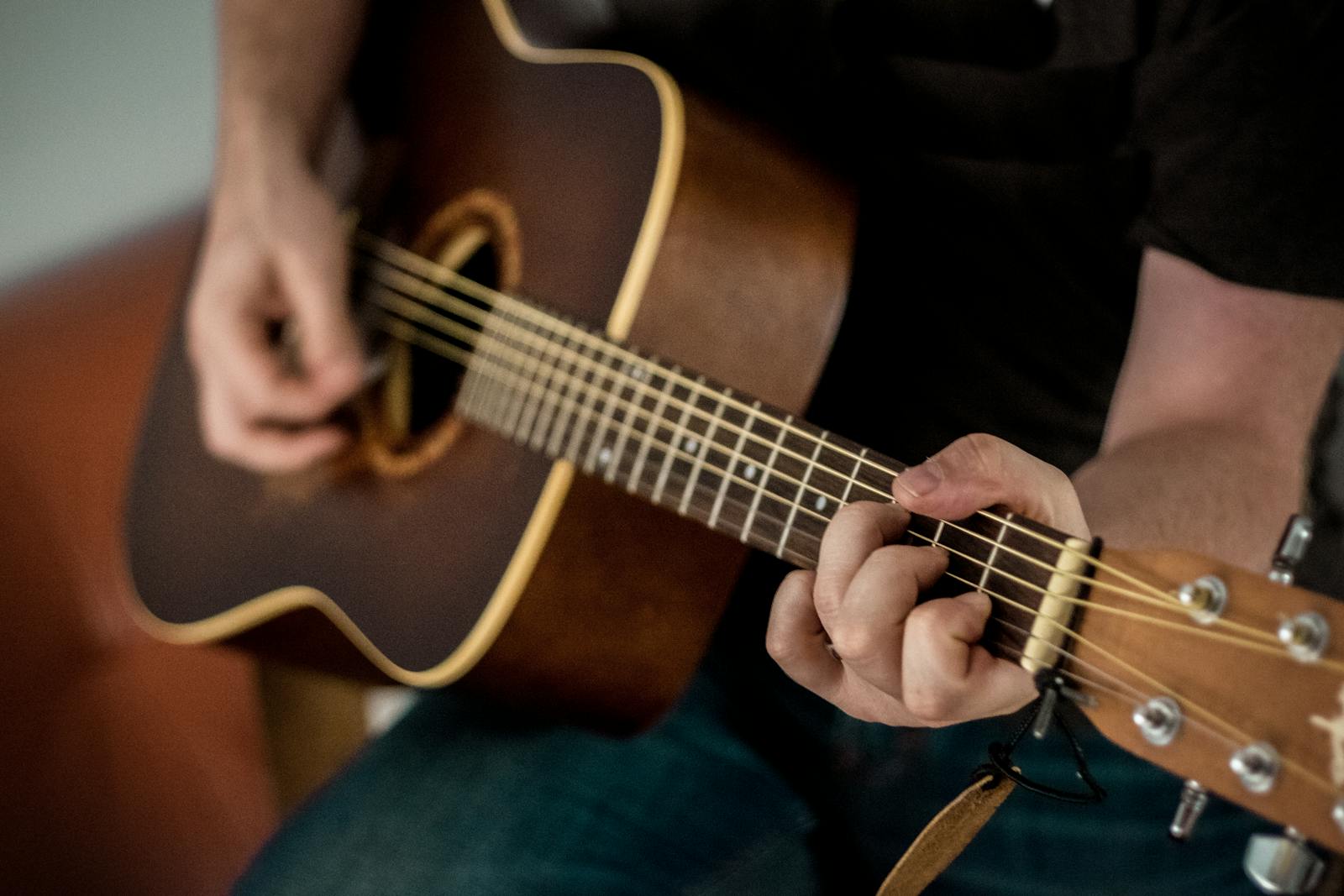
In a world where music continuously evolves, certain sounds remain timeless, standing as pillars of artistic expression and human emotion. One such sound is the unmistakable, soul-stirring resonance of the acoustic guitar.
For decades, this humble instrument has transcended generations and genres, carried on the shoulders of the legendary acoustic guitarists who have mastered its strings and unlocked its full potential.
These virtuosos didn’t just play the guitar; they communicated through it, narrating stories of love, sorrow, joy, and rebellion, often with nothing more than their dexterous fingers and an innate sense of rhythm.
As we journey through the annals of music history, we’ll celebrate the indelible legacies of these acoustic geniuses whose contributions have shaped our cultural landscape. From the soothing fingerpicking of folk legends to the intricate flamenco flourishes of Spanish maestros, each of these artists has left an indelible mark on the fabric of music.
By examining their techniques, influences, and unforgettable performances, we honor the melodic architects who have given us some of the most unforgettable acoustic moments. Prepare to dive into a world where every pluck and strum of the guitar strings sing tales of greatness, echoing the extraordinary talent of these legendary acoustic guitarists.
The Pioneers of Acoustic Guitar: Tracing the Roots
The history of the acoustic guitar is deeply rooted in the rich tapestry of musical traditions from around the world. From its humble beginnings as a simple stringed instrument to its evolution into a versatile and expressive tool, the acoustic guitar owes much of its development to the pioneers who paved the way.
One such pioneer is Robert Johnson, an influential blues guitarist from the early 20th century. Johnson’s raw and emotive playing style laid the foundation for future generations of musicians.
His songs, such as “Cross Road Blues” and “Sweet Home Chicago,” showcased his mastery of fingerpicking and slide techniques, setting a standard for blues guitarists to come. Another pioneer worth mentioning is Django Reinhardt, a Belgian-born jazz guitarist who overcame physical limitations to become one of the most revered guitarists in history.
Despite losing mobility in two fingers due to a fire accident, Reinhardt developed a unique playing style that combined gypsy jazz with virtuosic improvisation. His compositions like “Minor Swing” and “Nuages” continue to inspire jazz guitarists today.
Folk Legends and Their Enduring Influence
Folk music has always been closely intertwined with acoustic guitars, serving as a platform for storytelling and social commentary. Legendary folk artists like Bob Dylan and Joan Baez used their guitars as vehicles for protest and change during times of political unrest.
Dylan’s poetic lyrics paired with his distinctive fingerpicking style made him an icon of folk music. Songs like “Blowin’ in the Wind” and “The Times They Are A-Changin'” resonated with audiences worldwide, sparking conversations about civil rights and social justice.
Similarly, Joan Baez’s ethereal voice combined with her intricate guitar playing captivated audiences and amplified the messages of the folk movement. Her renditions of traditional songs like “Diamonds & Rust” and “We Shall Overcome” showcased her ability to connect with listeners on a deeply emotional level.
Jazz Greats: Innovations in Acoustic Guitar
Jazz, with its complex harmonies and improvisational nature, has pushed the boundaries of what is possible on the acoustic guitar. Legendary jazz guitarists like Charlie Christian and Wes Montgomery revolutionized the instrument by incorporating bebop and blues elements into their playing.
Charlie Christian, a key figure in the development of bebop, brought a new level of technicality to jazz guitar. His innovative use of single-note lines and chordal solos can be heard in recordings such as “Swing to Bop” and “Seven Come Eleven,” inspiring generations of jazz guitarists to come.
Wes Montgomery, known for his smooth tone and impeccable technique, introduced a new level of melodic sophistication to jazz guitar. His albums like “The Incredible Jazz Guitar of Wes Montgomery” showcased his ability to seamlessly blend single-note lines with octaves and chordal melodies.
Flamenco Maestros: A Dance of Strings
Flamenco music is characterized by its passionate rhythms, intricate fingerpicking patterns, and percussive techniques. The genre’s greatest guitarists have elevated flamenco into an art form that evokes intense emotions.
Paco de Lucía, often hailed as one of the greatest flamenco guitarists of all time, pushed the boundaries of traditional flamenco with his virtuosic playing style. His compositions like “Entre Dos Aguas” showcased his ability to seamlessly blend traditional flamenco techniques with elements from other genres such as jazz and classical music.
Another influential figure in the world of flamenco guitar is Vicente Amigo. Known for his expressive playing and innovative compositions, Amigo has breathed new life into the genre.
His album “Ciudad de las Ideas” exemplifies his ability to fuse traditional flamenco with contemporary influences.
Blues Icons and the Soulful Sound of Acoustic
The blues genre has always been closely associated with the acoustic guitar, with its raw and emotive sound capturing the essence of human experience. Legendary blues guitarists like B.B. King and Robert Johnson have left an indelible mark on the genre.
B.B. King, often referred to as “The King of Blues,” was known for his soulful playing style and expressive vibrato. His iconic songs like “The Thrill Is Gone” and “Sweet Little Angel” showcased his ability to convey deep emotions through his guitar.
Robert Johnson, mentioned earlier as a pioneer of acoustic guitar, remains an influential figure in the blues genre. His haunting recordings like “Hellhound on My Trail” and “Love in Vain” continue to inspire countless musicians with their raw intensity.
Classical Virtuosos: Precision and Passion
The classical guitar tradition boasts a lineage of virtuosos who have pushed the boundaries of technicality and musicality on the instrument. From Andrés Segovia to Julian Bream, these maestros have shaped the way we perceive classical music.
Andrés Segovia is widely regarded as one of the most important figures in classical guitar history. His meticulous attention to detail and refined interpretations set a standard for future generations of classical guitarists.
Segovia’s performances of works by composers such as Bach, Sor, and Albeniz showcased both technical precision and emotional depth. Julian Bream, known for his versatility and innovative approach to classical guitar, expanded the repertoire by commissioning new works and transcribing pieces from other instruments.
His interpretations of composers like Benjamin Britten and Francisco Tárrega demonstrated his ability to bring out the unique qualities of each composition.
Singer-Songwriters: Crafting Stories with Six Strings
The singer-songwriter tradition has given rise to some of the most iconic acoustic guitarists in history. Artists like Joni Mitchell and James Taylor have used their guitars as tools for storytelling, creating intimate connections with their audiences.
Joni Mitchell’s intricate guitar playing and poetic lyrics have made her a beloved figure in the singer-songwriter genre. Songs like “Both Sides Now” and “Big Yellow Taxi” showcase her ability to blend complex chord progressions with introspective storytelling.
James Taylor’s warm voice paired with his gentle fingerpicking style has resonated with listeners for decades. Songs like “Fire and Rain” and “You’ve Got a Friend” capture a sense of vulnerability and emotional honesty that have become hallmarks of Taylor’s music.
Unforgettable Performances: Live Magic with Acoustic Guitars
Live performances have always been an integral part of the acoustic guitar experience, allowing artists to connect directly with their audience in real-time. Some performances have become legendary, leaving an indelible mark on music history.
One such performance is Eric Clapton’s rendition of “Layla” during his MTV Unplugged session in 1992. Stripped down to its acoustic core, Clapton’s heartfelt performance showcased the power of simplicity and emotional authenticity.
Another unforgettable moment is Nirvana’s performance of “Where Did You Sleep Last Night” during their MTV Unplugged session in 1993. Kurt Cobain‘s haunting vocals and raw guitar playing captivated audiences, showcasing the band’s versatility and artistic depth.
The Legacy Continues: Modern Acoustic Guitarists on the Rise
While we celebrate the legendary acoustic guitarists of the past, it is important to recognize the new generation of artists who are carrying on their legacy. These modern guitarists continue to push boundaries and explore new sonic territories.
Artists like Tommy Emmanuel and Kaki King have redefined what is possible on the acoustic guitar through their innovative techniques and boundary-pushing compositions.
Tommy Emmanuel’s fingerstyle playing has earned him a reputation as one of the greatest acoustic guitarists of our time. His ability to simultaneously play melody, harmony, and rhythm creates a full-bodied sound that defies expectations.
Kaki King, known for her percussive approach to the acoustic guitar, has pushed the boundaries of what can be achieved with six strings. Her unique blend of tapping, slapping, and strumming creates a mesmerizing display of rhythmic complexity.
Conclusion: The Timeless Aura of Acoustic Guitar Mastery
The world of music owes a debt of gratitude to the legendary acoustic guitarists who have shaped its landscape. From blues to jazz, folk to flamenco, these virtuosos have left an indelible mark on their respective genres.
Their contributions continue to inspire generations of musicians who strive to capture the same magic that resonates from every pluck and strum. As we celebrate these legendary acoustic guitarists, let us remember that their artistry transcends time and genre, reminding us that true mastery knows no boundaries.



Leave A Comment