Andrés Segovia
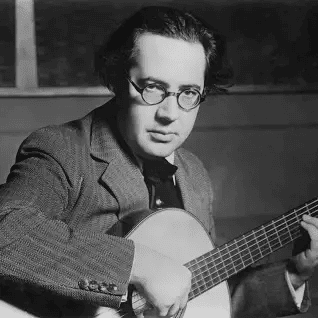
Andre Segovia
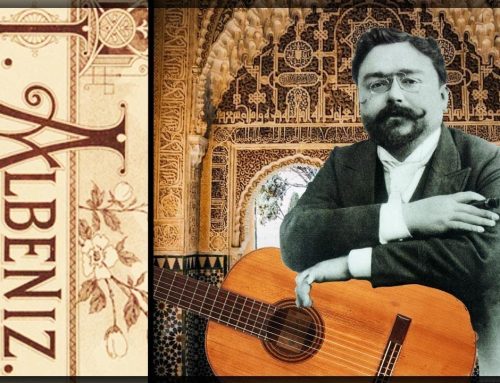
The top 10 classical guitarists of all times begins with Andrés Segovia, the name that resonates with unparalleled elegance and mastery in the realm of classical guitar. Born in Linares, Spain, in 1893, Segovia’s life became an ode to the six-stringed instrument. He wasn’t just a virtuoso; he was a revolutionary who single-handedly elevated the guitar from a folk instrument to a respected concert soloist.
Segovia’s journey began at a young age, captivated by the sounds of flamenco and traditional Spanish music. He devoured technique books, meticulously crafting his skills on a borrowed instrument. His dedication was unwavering, and by his teenage years, he was already performing professionally.
But Segovia’s ambition wasn’t confined to local taverns. He craved to share the guitar’s beauty in the major concert halls of the world. He embarked on a mission to legitimize the instrument in the prestigious concert halls. This wasn’t an easy feat. The guitar was often relegated to the margins of the classical music scene, deemed unworthy of serious attention.
Segovia’s weapon? His sheer brilliance. His playing was a revelation – a tapestry woven with technical prowess, exquisite phrasing, and profound musicality. He breathed life into Bach and transcribed works by the likes of Debussy and Granados, expanding the guitar’s repertoire and proving its versatility.
His relentless touring schedule, spanning over seven decades, became a testament to his passion. He captivated audiences across continents, from the grand halls of Europe to the bustling concert halls of America. His influence was far-reaching, inspiring generations of guitarists, including luminaries like John Williams and Julian Bream.
Segovia’s legacy extends beyond his mesmerizing performances. He championed the development of new guitars, collaborating with luthiers to create instruments capable of expressing the full range of his musical vision. He also dedicated himself to education, establishing masterclasses and leaving behind a treasure trove of recordings and writings.
In 1981, King Juan Carlos I of Spain bestowed upon him the title of the 1st Marquis of Salobreña, a recognition of his immense contribution to Spanish culture. But for Segovia, the greatest reward was the profound connection he forged with his audiences through the language of his beloved guitar.
Andrés Segovia, the maestro, the legend, the man who redefined the possibilities of a humble instrument. His music continues to resonate, a testament to the transformative power of passion, dedication, and a love that transcends time and borders.
John Williams
John Williams, born in Melbourne, Australia in 1941, isn’t just a name among classical guitarists; it’s synonymous with virtuosity, elegance, and a tireless championing of the instrument. His journey with the guitar began at the tender age of four, and his dedication blossomed into a career that redefined the boundaries of classical music and musical styles.
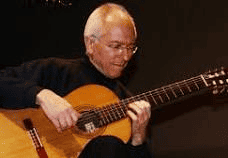
Early Beginnings and Meteoric Rise
Williams’ talent was evident from the start. He devoured technique books, meticulously crafting his skills, and by his teens, he was already performing professionally. But his ambition wasn’t confined to local stages. He yearned to elevate the guitar to the major concert halls, a mission that was far from easy in the mid-20th century.
His weapon? Unparalleled brilliance. Williams’ playing was a revelation. His technique was flawless, his phrasing exquisite, and his musicality profound. He breathed new life into classical repertoire, transcribing works by Bach and bringing the beauty of Spanish composers like Granados to wider audiences.
A Global Ambassador for the Guitar
Williams’ relentless touring schedule, spanning over six decades, became a testament to his passion. He captivated audiences worldwide, from the grand concert halls of Europe to the bustling stages of America and beyond. His influence wasn’t just about performing; he actively championed the development of new guitars, collaborated with composers to expand the repertoire, and dedicated himself to education, inspiring countless guitarists through masterclasses and recordings.
Beyond Technique: A Legacy of Emotion
Williams’ impact transcends technical mastery. His playing resonated with a depth of emotion that transcended borders and cultures. He could evoke the joy of a Spanish fiesta with his renditions of Albéniz, or bring tears to your eyes with the poignant beauty of a Bach prelude. His music became a bridge, connecting audiences to the heart and soul of the classical guitar.
A Living Legend and an Inspiration
Today, at 82, John Williams remains an active performer and a revered figure in the music world. His numerous awards, including two Grammy Awards and an OBE, are just a testament to his immense contribution. But his greatest reward lies in the countless lives he has touched through his music.
John Williams’ story is one of unwavering dedication, artistic brilliance, and a profound love for the guitar. He is not just a maestro of the six strings; he is an ambassador for classical music, a testament to the power of music to transcend borders and touch hearts. His legacy continues to inspire generations of musicians and music lovers alike, ensuring that the magic of the classical guitar will continue to resonate for years to come.
Julian Bream
Julian Bream (1933-2020) was a titan of the classical guitar world, not just for his technical prowess, but for his gentle and thoughtful approach to music. Unlike some of his flamboyant contemporaries, Bream’s artistry was a quiet storm, weaving intricate melodies and profound emotions with a touch as delicate as a dragonfly’s wing.
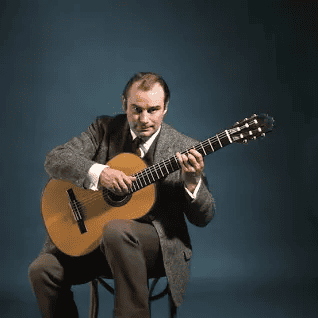
Born in London in 1933, Bream’s musical journey began early. He devoured technique books as a child, already displaying a natural affinity for the instrument. By his teens, he was performing professionally, his nimble fingers dancing across the strings with a maturity beyond his years.
But Bream wasn’t content with simply replicating the past. He yearned to expand the guitar’s repertoire, venturing beyond the traditional Spanish and Italian pieces. He championed works by contemporary composers, commissioning pieces like Benjamin Britten’s Nocturnal, and delved into the rich history of lute music, reviving forgotten gems and bringing them to new audiences.
His performances were mesmerizing affairs. Bream wasn’t one for grand theatrics; his power lay in his quiet intensity. Each note was carefully chosen, each phrase imbued with a depth of feeling that resonated with listeners on a personal level. He could evoke the joy of a Baroque dance with his sprightly jigs, or transport you to a moonlit Spanish courtyard with his soulful renditions of flamenco.
Bream’s influence on the guitar world is undeniable. He inspired countless young musicians, not only through his virtuosity, but also through his dedication to education. He conducted masterclasses, founded the Julian Bream Guitar Summer School, and left behind a treasure trove of recordings that continue to inspire and educate aspiring guitarists.
Though he retired from performing in 2002, Julian Bream’s legacy as a gentle giant of the guitar lives on. His recordings remain touchstones of musicality and expression, and his spirit of exploration continues to inspire musicians and music lovers alike. He reminds us that true mastery lies not in bombast, but in the quiet power of a single note, played with intention and soul.
In conclusion:
Julian Bream was more than just a virtuoso guitarist; he was a musical storyteller, a champion of forgotten melodies, and a gentle giant who redefined the possibilities of his instrument. His legacy continues to inspire and resonate, reminding us that music can be a powerful force for beauty, emotion, and introspection.
Pepe Romero
In the world of classical guitar, few names resonate with such warmth and brilliance as Pepe Romero. Born in Málaga, Spain in 1944, Pepe wasn’t just born into a musical family; he was born into a dynasty. His father, Celedonio Romero, was a revered guitarist, and his brothers, Celin and Angel, also achieved international acclaim. Yet, Pepe carved his own path, becoming a legend in his own right and a torchbearer for the beauty and virtuosity of the Spanish guitar.
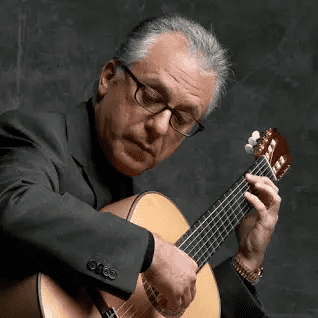
Pepe’s musical journey began at a tender age, enveloped by the sounds of flamenco and traditional Spanish music. He learned from the best – his father, a strict but nurturing teacher, instilled in him the fundamentals of technique and musicality. By his teens, Pepe was already performing professionally, his fingers dancing across the strings with an innate grace and passion.
But Pepe’s ambition extended beyond local stages. He yearned to share the guitar’s magic with the world, to elevate it from a folk instrument to a respected concert soloist. This wasn’t an easy feat. The guitar still faced prejudice in the classical music world, often relegated to the margins.
Undeterred, Pepe embarked on a mission to legitimize the instrument. He possessed a weapon that no critic could resist: his sheer brilliance. His playing was a revelation, a tapestry woven with impeccable technique, exquisite phrasing, and a depth of musicality that could melt hearts. He breathed life into classical repertoire, transcribing works by Bach and expanding the guitar’s horizons with pieces written specifically for him by renowned composers like Joaquín Rodrigo and Federico Moreno Torroba.
Pepe’s relentless touring schedule, spanning over seven decades, became a testament to his dedication. He captivated audiences worldwide, from the grand concert halls of Europe to the bustling stages of America and beyond. His influence extended far beyond performance; he championed the development of new guitars, collaborated with luthiers to create instruments capable of expressing the full range of his musical vision, and dedicated himself to education, inspiring countless guitarists through masterclasses and recordings.
Pepe Romero’s legacy isn’t just about technical mastery; it’s about passion, dedication, and a profound love for the guitar. His music transcends borders and cultures, connecting listeners with the heart and soul of Spanish music. He is a living legend, a testament to the transformative power of music, and a reminder that even the most humble instruments can produce the most exquisite sounds when wielded by a true maestro.
In conclusion:
Pepe Romero is more than just a guitarist; he is a cultural icon, a musical ambassador, and a living testament to the enduring power of the Spanish guitar. His legacy continues to inspire generations of musicians and music lovers alike, ensuring that the magic of his music will resonate for years to come.
David Russell
David Russell, born in Glasgow in 1953, is a name synonymous with exquisite artistry and profound musicality in the world of classical guitar. More than just a virtuoso, he is a poetic soul who breathes life into every note, weaving intricate tapestries of sound that captivate and inspire audiences worldwide.
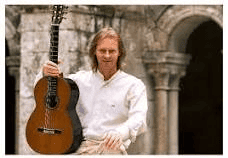
Russell’s journey with the guitar began at a young age. Drawn to the instrument’s expressive potential, he devoured technique books and honed his skills with unwavering dedication. By his teens, he was already captivating audiences with his nuanced phrasing and mesmerizing stage presence.
But Russell wasn’t interested in mere technical prowess. He sought to delve into the heart of the music, to unlock the emotions and stories hidden within the notes. His playing is a testament to this pursuit. He approaches each piece with a deep understanding, crafting interpretations that are both technically flawless and emotionally resonant.
Whether navigating the intricate counterpoint of Bach, or channeling the fiery passion of Spanish flamenco, Russell’s playing is a masterclass in musical storytelling. He paints vivid landscapes with his sound, transporting listeners from the grandeur of a cathedral to the intimacy of a moonlit Spanish courtyard.
His impact extends beyond the concert stage. Russell is a tireless advocate for the classical guitar, commissioning new works, collaborating with composers, and inspiring countless aspiring musicians through his masterclasses and recordings.
In a world often dominated by flash and spectacle, David Russell stands as a beacon of artistic integrity. He reminds us that music is not just notes on a page, but a language of the soul, capable of profound beauty and emotional connection.
Russell’s legacy:
-
Technical mastery: Renowned for his impeccable fingerpicking technique, flawless phrasing, and control over dynamics.
-
Musicality: His playing is infused with deep emotion and understanding, drawing listeners into the heart of the music.
-
Versatility: He effortlessly navigates diverse repertoire, from baroque masterpieces to contemporary compositions.
-
Advocacy: A champion for the classical guitar, inspiring new generations of players and composers.
-
Integrity: His dedication to artistic excellence and commitment to sharing his passion with others make him a true musical ambassador.
David Russell’s story is one of unwavering dedication, artistic exploration, and a profound love for the classical guitar. His music continues to resonate with audiences worldwide, reminding us that even the simplest instrument, when wielded by a master, can create magic.
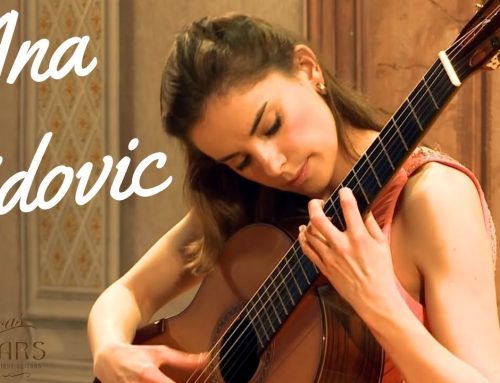
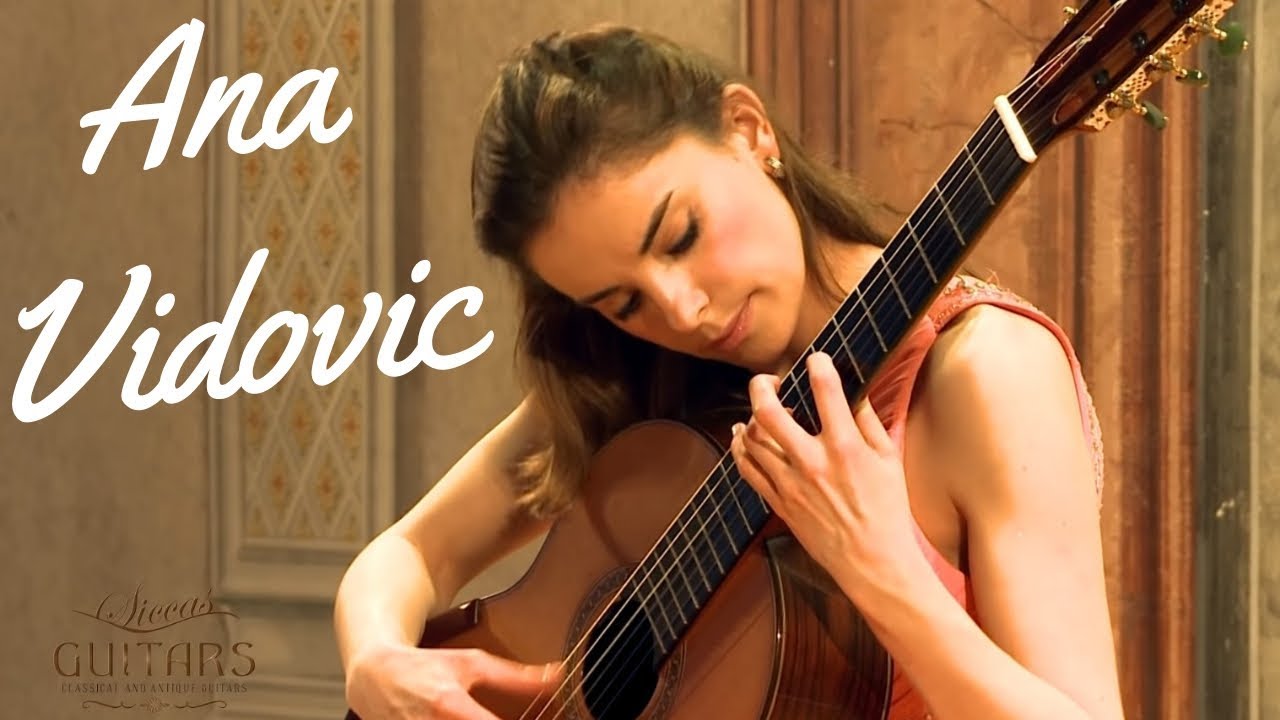
Ana Vidović
Ana Vidović, born in 1980 in Karlovac, Croatia, is a name that sparks awe and admiration in the realm of classical guitar. From a young age, she displayed a prodigious talent that transcended borders and redefined the possibilities of her instrument.

Vidović’s journey with the guitar began at the tender age of four, captivated by the sounds of flamenco and traditional Croatian music. Her natural aptitude was undeniable, and she absorbed technique books and practiced with unwavering dedication. By her teenage years, she was already performing professionally, her nimble fingers weaving magic on the strings.
Unlike many prodigies, Vidović didn’t settle for mere technical mastery. She craved to expand the guitar’s repertoire and challenge its limitations in the classical music world. She embarked on a mission to legitimize the instrument, not just as a folk companion, but as a versatile and expressive solo artist.
Her weapon? Sheer brilliance. Vidović’s playing is a breathtaking blend of technical prowess, exquisite phrasing, and profound musicality. She breathes life into Bach’s intricate counterpoint, evokes the fiery passion of Spanish flamenco, and navigates contemporary compositions with equal ease. Her interpretations are personal and deeply felt, drawing listeners into the heart of the music.
Vidović’s relentless touring schedule, spanning over three decades, is a testament to her dedication. She has captivated audiences in prestigious concert halls worldwide, from the grand St. Mark’s Lutheran Church in San Francisco to the iconic Palacio de la Musica in Barcelona. Her influence extends beyond performance; she champions the development of new guitars, collaborates with composers, and inspires countless aspiring musicians through masterclasses and recordings.
Vidović’s legacy:
-
Technical mastery: Renowned for her flawless technique, precise control, and dazzling speed.
-
Musicality: Her playing is infused with emotion and depth, drawing listeners into the story behind the notes.
-
Versatility: She effortlessly navigates diverse repertoire, from baroque masterpieces to contemporary compositions.
-
Advocacy: A champion for the classical guitar, inspiring new generations of players and composers.
-
International impact: She has broken down barriers and redefined the guitar’s place in the classical music world.
Ana Vidović is not just a guitarist; she is a musical ambassador, a testament to the power of passion and dedication. Her music continues to resonate with audiences worldwide, reminding us of the boundless possibilities that lie within the six strings of a classical guitar.
Christopher Parkening
Christopher Parkening, born in Kansas in 1947, is a name synonymous with elegance and technical mastery in the world of classical guitar. He’s not just a virtuoso; he’s a pioneer who has redefined the instrument’s repertoire and brought it to a wider audience.
Early Beginnings and Musical Journey:
Parkening’s musical journey began at a young age, inspired by the sounds of bluegrass and folk music. He devoured technique books and honed his skills with unwavering dedication, even crafting his first guitar from scratch. By his teens, he was already performing professionally, captivating audiences with his soulful interpretations and technical prowess.
Breaking Barriers and Expanding Repertoire:
Unlike many classical guitarists of his time, Parkening wasn’t content with the traditional repertoire. He ventured beyond Bach and Spanish composers, transcribing works by American folk artists and commissioning new pieces that showcased the guitar’s versatility. He even collaborated with jazz musicians, bridging genres and expanding the instrument’s sonic palette.

A Master of Expression and Connection:
Parkening’s playing is more than just technical brilliance; it’s a tapestry woven with emotion and storytelling. He can evoke the joy of a folk dance with his sprightly jigs, or transport you to a moonlit meadow with his tender melodies. His stage presence is captivating, his connection to the music palpable, and his ability to communicate emotions through his playing is unparalleled.
Beyond Performance: A Legacy of Inspiration:
Parkening’s influence extends far beyond the concert stage. He is a dedicated educator, conducting masterclasses and workshops that inspire countless aspiring guitarists. He has also championed the development of new guitars, collaborating with luthiers to create instruments that meet the demands of his diverse repertoire.
A Living Legend and an Inspiration:
Today, Christopher Parkening remains an active performer and a revered figure in the music world. His numerous awards, including two Grammy Awards and the National Medal of the Arts, are just a testament to his immense contribution. But his greatest reward lies in the countless lives he has touched through his music.
Parkening’s story is one of unwavering dedication, artistic exploration, and a profound love for the guitar. He is not just a maestro of the six strings; he is a cultural ambassador, a testament to the power of music to transcend borders and connect hearts. His legacy continues to inspire generations of musicians and music lovers alike, ensuring that the magic of the classical guitar will resonate for years to come.
Sharon Isbin: A Queen of the Classical Guitar
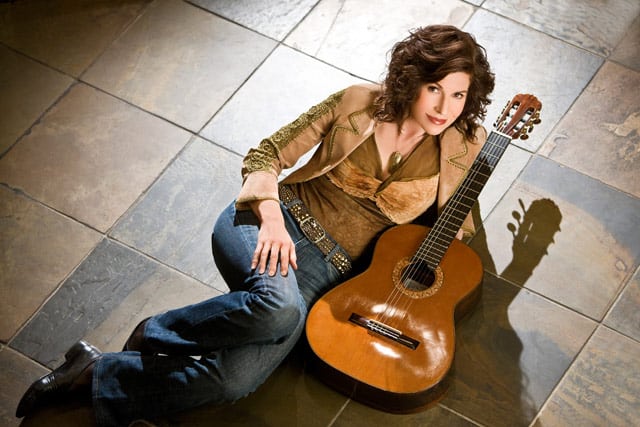
Sharon Isbin’s name is synonymous with brilliance and innovation in the world of classical guitar. Born in Evanston, Illinois in 1956, she quickly rose to prominence as a child prodigy, captivating audiences with her technical mastery and musicality.
Early Accolades and a Meteoric Rise:
Isbin’s talent was evident from a young age. By the time she was 11, she had already won the prestigious Guitar Foundation of America competition, and at 18, she made her New York recital debut to critical acclaim. Her career trajectory was nothing short of meteoric, leading her to perform at prestigious venues worldwide, including the Carnegie Hall, the Royal Albert Hall, and the Sydney Opera House.
Expanding the Repertoire and Breaking Barriers:
Isbin wasn’t content with simply playing the traditional repertoire. She actively sought to expand the boundaries of what the classical guitar could do. She commissioned new works from contemporary composers like Stephen Paulus and Astor Piazzolla, and delved into the world of jazz and world music, collaborating with artists like Yo-Yo Ma and Paquito D’Rivera.
A Virtuoso with a Poetic Touch:
Isbin’s playing is a masterclass in control, precision, and nuance. Her fingers dance across the strings with a delicate touch, yet her sound can be powerful and expressive. She possesses a gift for storytelling through music, weaving emotions into every note and phrase. Whether she’s navigating the intricate counterpoint of Bach or channeling the fiery passion of flamenco, Isbin leaves audiences mesmerized.
A Champion of Education and Advocacy:
Isbin’s dedication to the guitar extends far beyond the concert stage. She is a passionate educator, conducting masterclasses and workshops around the world. She is also a vocal advocate for the classical guitar, promoting its appreciation and accessibility to new audiences.
A Legacy of Inspiration and Excellence:
Today, Sharon Isbin remains a force to be reckoned with in the music world. Her numerous awards, including three Grammy Awards, speak volumes about her artistry and impact. But her greatest reward lies in the countless lives she has touched through her music.
Isbin’s story is one of unwavering dedication, artistic exploration, and a deep love for the guitar. She is not just a virtuoso; she is a musical ambassador, a champion of innovation, and an inspiration to aspiring guitarists and music lovers alike. Her legacy continues to resonate, ensuring that the magic of the classical guitar will continue to captivate audiences for generations to come
Narciso Yepes: The Spanish Soul of the Guitar
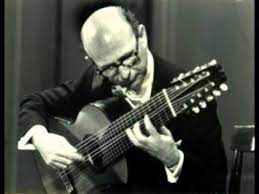
Narciso Yepes (1927-1997) was a Spanish guitarist who transcended the boundaries of classical music, weaving magic with his six-string companion. Born in Valencia, Spain, Yepes’ journey with the guitar began at a young age, his fingers drawn to the instrument’s soulful melodies. He honed his skills with dedication, his talent blossoming under the tutelage of renowned Spanish guitarist Emilio Pujol.
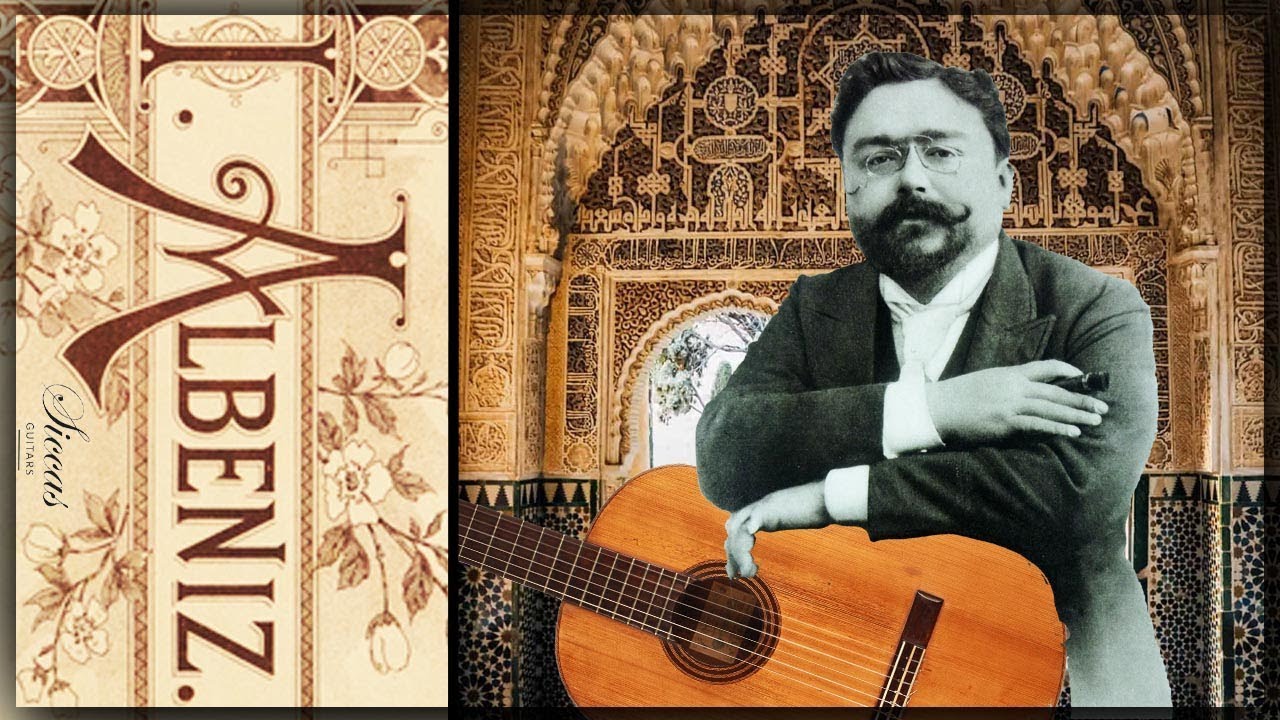
Yepes’ playing was a revelation. His technique was flawless, his phrasing exquisite, and his musicality profound. He breathed new life into traditional Spanish repertoire, his interpretations infused with the vibrancy and passion of his homeland. Flamenco pieces like Albéniz’s “Asturias” danced under his fingertips, while baroque masterpieces like Bach’s Chaconne resonated with a depth of emotion rarely heard.
But Yepes wasn’t content with simply replicating the past. He yearned to expand the guitar’s horizons, commissioning new works from contemporary composers like Joaquín Rodrigo and Federico Moreno Torroba. These collaborations resulted in iconic pieces like Rodrigo’s “Concierto de Aranjuez,” which cemented Yepes’ place as a pioneer and champion of the classical guitar.
Yepes’ impact extended far beyond the concert stage. He was a dedicated educator, inspiring countless aspiring guitarists through his masterclasses and recordings. He also became a cultural ambassador, bringing the beauty and soul of Spanish music to audiences worldwide. His performances were mesmerizing affairs, his quiet intensity and heartfelt connection with the music drawing listeners into his world.
Yepes’ legacy:
-
Technical mastery: Renowned for his flawless technique, precise control, and ability to coax a wide range of dynamics from his instrument.
-
Musicality: His playing was infused with emotion and depth, drawing listeners into the heart of the music.
-
Versatility: He effortlessly navigated diverse repertoire, from traditional Spanish pieces to contemporary compositions.
-
Advocacy: A champion for the classical guitar, inspiring new generations of players and composers.
-
Cultural ambassador: He brought the beauty and soul of Spanish music to audiences worldwide.
Narciso Yepes was more than just a virtuoso guitarist; he was a musical storyteller, a cultural icon, and a testament to the power of music to transcend borders and touch hearts. His legacy continues to inspire and resonate, reminding us that the magic of the classical guitar can be found in the hands of a true maestro.
Manuel Barrueco
Cuban-born classical guitarist Manuel Barrueco isn’t just a musician; he’s an architect of sound, crafting exquisite sonic tapestries with the six strings of his guitar. For over three decades, his name has been synonymous with virtuosity, artistic integrity, and a tireless dedication to expanding the instrument’s repertoire.
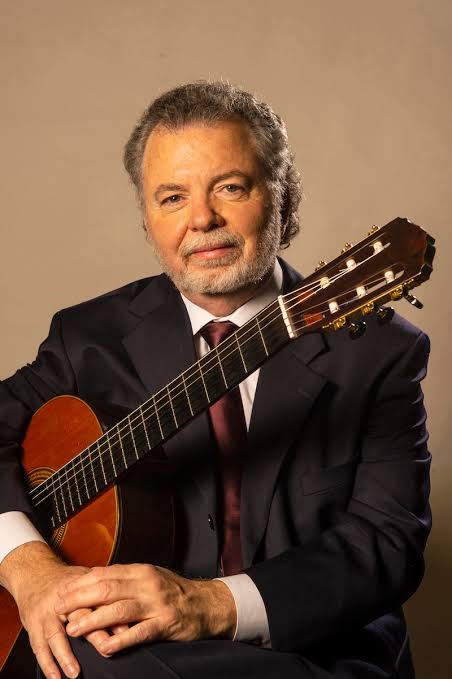
Barrueco’s journey began at the tender age of eight, his young fingers drawn to the guitar’s expressive possibilities. He devoured technique books and honed his skills with unwavering dedication, his talent blossoming under the tutelage of renowned Cuban maestros. By his teenage years, he was already performing professionally, his interpretations infused with a raw passion that captivated audiences.
But Barrueco wasn’t content with simply replicating the past. He yearned to push the boundaries of the guitar, to carve a new path for it in the classical music world. He delved into contemporary compositions, commissioning works from the likes of Steven Stucky and Michael Daugherty, and embraced the rich heritage of Cuban music, bringing its rhythms and melodies to the world stage.
His playing is a masterclass in control and nuance. Each note is meticulously sculpted, imbued with a depth of emotion that transcends borders and cultures. Whether navigating the intricate counterpoint of Bach or channeling the fiery passion of flamenco, Barrueco’s music paints vivid landscapes of sound, transporting listeners to the heart of the story behind the notes.
Barrueco’s impact extends far beyond the concert stage. He is a dedicated educator, conducting masterclasses and inspiring countless aspiring guitarists around the globe. He actively champions the development of new guitars, collaborates with luthiers to push the instrument’s technical possibilities, and remains a vocal advocate for the appreciation of classical guitar in all its forms.
Barrueco’s legacy:
-
Technical mastery: Renowned for his flawless technique, precise control, and ability to elicit a wide range of dynamics from his instrument.
-
Artistic integrity: A champion of pushing boundaries and expanding the guitar’s repertoire with contemporary compositions.
-
Global ambassador: Bringing the beauty of Cuban music and the vibrancy of the classical guitar to audiences worldwide.
-
Educational dedication: Inspiring and shaping the next generation of guitarists through masterclasses and workshops.
Manuel Barrueco is more than just a virtuoso; he’s a musical sculptor, a cultural ambassador, and a testament to the boundless potential that lies within the six strings of a guitar. His music continues to resonate with audiences worldwide, reminding us that true artistry lies in the heart, the soul, and the unwavering dedication to sculpting melodies that move and inspire
Summing Up Our List Of The Greatest Classical Guitarists
Choosing the “greatest” of anything is inherently subjective, but our list of ten extraordinary guitarists showcases the finest guitarists with immense talent and diverse styles within the world of classical guitar.
-
Andrés Segovia: Arguably the father of modern classical guitar, Segovia elevated the instrument’s status and championed its legitimacy in the concert hall.
-
Julian Bream: A gentle giant, Bream’s nuanced interpretations and dedication to expanding the repertoire redefined the possibilities of the solo guitar.
Spanish Soul and Virtuosity:
-
John Williams: A true chameleon, Williams seamlessly navigates diverse styles, from flamenco fire to Bachian grandeur.
-
Pepe Romero: A family legacy personified, Romero’s passionate playing and commitment to education continue to inspire generations.
-
Narciso Yepes: The soul of Spanish guitar, Yepes breathed life into traditional repertoire and collaborated with composers to create iconic contemporary works.
Modern Masters and Expansionists:
-
David Russell: A master of technical and musical perfection, Russell brings depth and emotion to every note.
-
Ana Vidović: This Croatian prodigy continues to redefine boundaries, pushing both technical and genre limitations.
-
Christopher Parkening: A pioneer of American classical guitar, Parkening’s elegant playing and genre-bending collaborations have broadened the instrument’s reach.
Global Ambassadors:
-
Sharon Isbin: An advocate for innovation and education, Isbin’s virtuosity and collaborative spirit have brought the guitar to new audiences worldwide.
-
Manuel Barrueco: A bridge between Cuban traditions and contemporary compositions, Barrueco sculpts exquisite soundscapes that resonate across cultures.
Ultimately, each of these guitarists has made a significant and unique contribution to the world of classical guitar. Their individual strengths and styles weave together to form a tapestry of brilliance, leaving an enduring legacy for future generations of players and listeners.
This list is just a starting point for further exploration, and it’s through immersion in their music that we can truly appreciate the depth and diversity of their artistry.