Welcome! Have you ever listened to an orchestra and got carried away by the beautiful music, curious about all the different instruments playing together? You’re going to love this! We’re about to take a fun trip into the world of the orchestra. We’ll learn about the different groups of instruments – like the strings that tug at our emotions, the percussion that adds beats and excitement, the woodwinds that tell stories with their sounds, and the brass that stands out with their powerful notes. Are you ready to dive into this musical adventure? Let’s start exploring!
Key Takeaways
The string family is the heart of any orchestra, with violins providing enchanting melodies and cellos playing both low and high notes.
Woodwinds bring an expressive range of sound while brass instruments add a powerful touch to the music.
Percussion provides rhythm and color, keyboards enhance it, and seating arrangements create balance, all making up a truly special experience!
The String Family: The Heart of the Orchestra
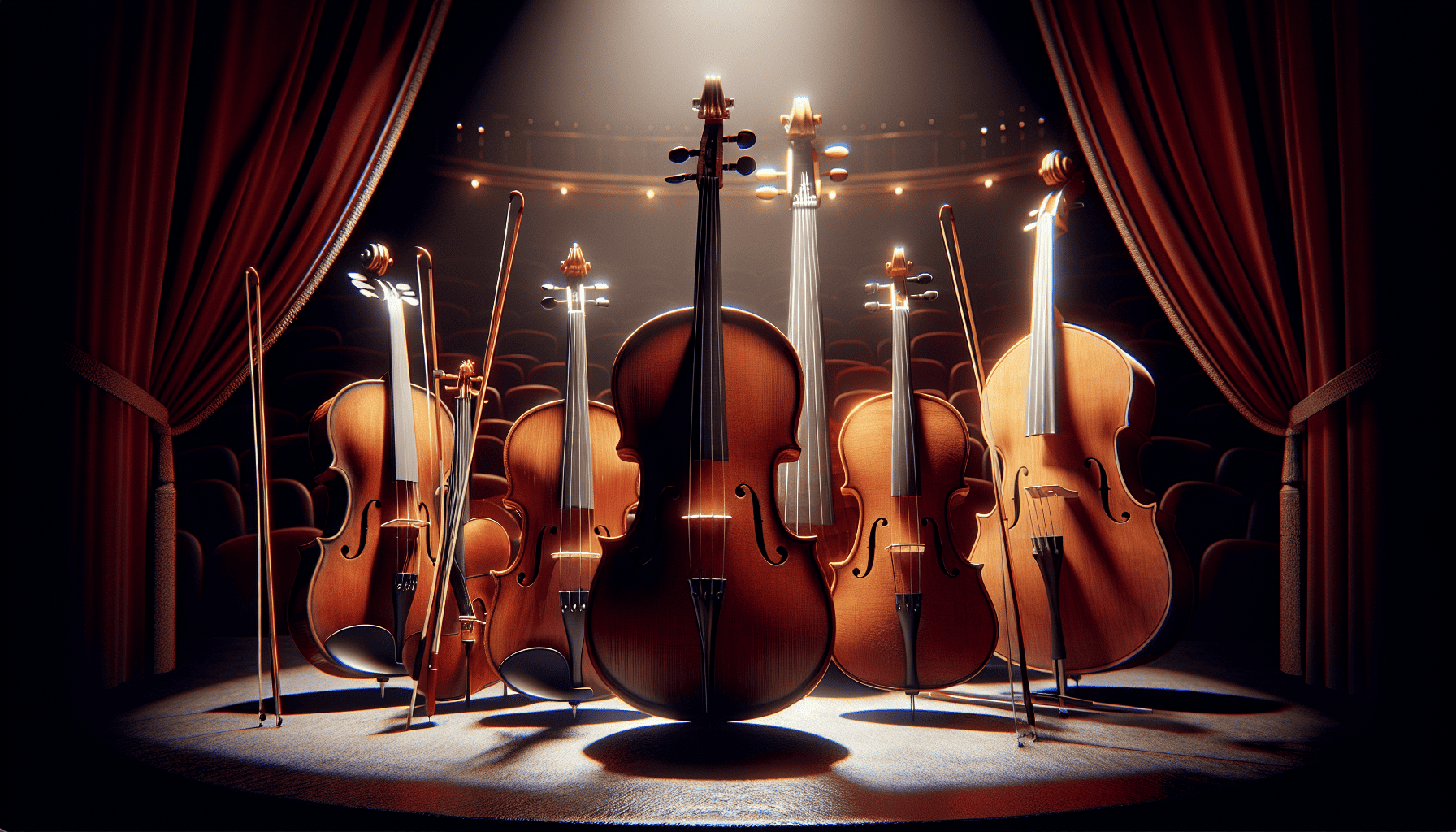
At the core of any orchestra lies the string family, a harmonious blend of violin viola cello, double basses, and the harp.
These instruments, with their unique characteristics and sounds, form the heart of the symphony orchestra. Their beautiful melodies and harmonies woven together create the soul-stirring music we know and love.
But what makes each of these string instruments so special? Let’s examine the string instruments of the orchestra!
Violins: Leading Melodies
The violin, often seen as the star of the string family, plays a pivotal role in the orchestra. With its high-pitched, vibrant melodies, the violin takes the lead, enchanting listeners with its charming tunes.
But did you know that the violin section is usually split into first and second sections to create a layered, harmonious sound? This division allows the orchestra to achieve a beautiful blend of melodies and harmonies, enhancing the overall musical experience.
Violas: The Middle Voice
Adding depth and richness to the orchestra’s sound, the viola acts as the middle voice in the string section. Slightly larger than the violin and tuned to a lower range, the viola creates a deeper, more mellow sound that perfectly complements its string counterparts. And with its strategic seating arrangement in the middle of the stage, the viola effectively blends with both the higher and lower voices of the string section.
Doesn’t that contribute a unique tone to the orchestra’s sonic range?
Cellos: Rich and Versatile
Let’s now turn our attention to the cello, the orchestra’s versatile powerhouse. With its ability to play both bass lines and high melodies, the cello brings a unique richness to the orchestra’s sound. Seated to the conductor’s right, cellos often take on a variety of roles, from supporting the violins and violas to sometimes stealing the show with their own solos.
Were you aware that the cello gained considerable popularity during the 17th and 18th centuries, particularly with Bach’s Six Suites? The instrument is indeed a star!
Double Basses: The Foundation
Now, let’s shift our focus to the deep, resonant tones of the double bass. As the largest and lowest-pitched instrument in the string family, the double bass provides a solid foundation for the orchestra’s sound. Its deep tones add warmth and depth to the orchestra’s lower register, enhancing the overall musical texture.
And typically positioned behind the cellos and close to the tuba, the double bass holds down the low end of the orchestral sound. Talk about an instrumental cornerstone!
Harp: Adding Color and Texture
Lastly, we should consider the harp, a captivating member of the string family. Although not always present in every piece, when it does make an appearance, it surely leaves an impact. The harp’s sweeping arpeggios and glissandos add a touch of color and texture to the orchestral sound, creating an ethereal atmosphere.
Not only does it add a unique texture, but each harpist’s fingers bring their own vibe, adding a unique touch to the orchestra’s sound. Truly, the harp adds a dash of magic to the orchestra!
Woodwind Wonders: Expressive and Diverse

Let’s now shift our focus to the expressive and varied family of woodwind instruments. Comprising not only flutes, oboes, clarinets, and bassoons, but also other woodwind instruments that enrich the musical landscape.
The woodwind section adds a new layer of sound to the orchestra. What makes the woodwind family so special? Each instrument, with its unique sound and playing technique, contributes to the overall richness of the orchestra.
Let’s examine these wind instruments, including the double reed instrument, in more detail.
Flutes: Soaring High Notes
First up are the flutes, the high flyers of the orchestra. With their soaring high notes and bright sound, flutes add a sparkling touch to the orchestral sound. Typically made of metal, these instruments bring a unique timbre to the orchestra, cutting through the texture with their clear, bright tones.
So, if a piece of orchestral music brightens your mood next time, the flutes might be responsible!
Oboes: Distinct and Emotional
Next in line are the oboes, known for their distinct and emotional sound. The oboes’ powerful and poignant tones make them stand out in the orchestra. Did you know that the oboe usually plays the first note the orchestra tunes to? So, oboes not only contribute to the orchestra’s sound but also play a significant role in determining the orchestra’s pitch!
Clarinets: Versatile and Agile
Moving on to the clarinets, these versatile and agile instruments play a significant role in the orchestra. Known for their wide range of notes and dynamics, clarinets can handle both fast and slow passages effortlessly.
From the B-flat clarinet to the bass clarinet, the diverse family of clarinets contributes to the orchestra’s rich soundscape.
Bassoons: Deep and Resonant
Last but not least in the woodwind family, we have the bassoons. Known for their deep and resonant sound, bassoons add a unique flavor to the orchestra. Their unique tone brings depth to the orchestra, and their wide tonal range allows them to support the orchestra in a big way.
Doesn’t that qualify the bassoons as the orchestra’s unsung heroes?
Bold Brass: Powerful and Heroic
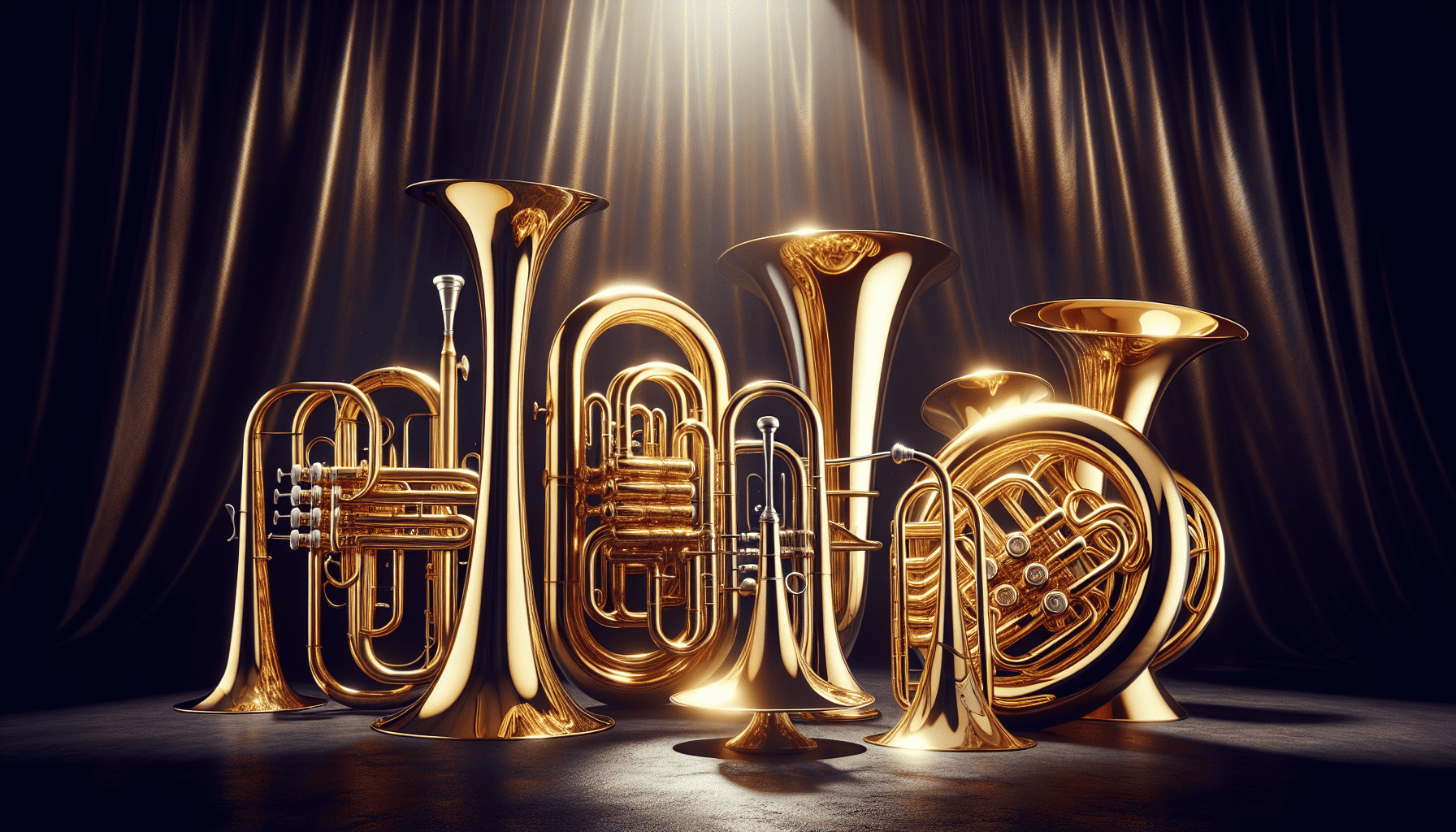
Now, let’s amplify the volume and study the audacious brass family. Known for their powerful and heroic sounds, the brass section, featuring:
horns
trumpets
trombones
tuba
Horns: Majestic and Regal
First up in the brass family are the horns. Known for their majestic and regal sound, the horns add a touch of royalty to the orchestra. Their unique and versatile qualities make them perfect for setting a grand and regal vibe in music. And fun fact – did you know that their bells are pointed away from the audience to create a more balanced and mixed sound?
Trumpets: Bright and Commanding
Next, we have the trumpets, known for their bright and commanding sound. They add a vibrant touch to the orchestra, often playing a leading role in many compositions. Positioned towards the rear of the orchestra, their powerful sound can reach every corner of the concert hall.
Trombones: Sliding into Harmony
Now, let’s slide into the world of trombones, particularly the tenor trombone. These unique brass instruments use a slide to change pitch, adding a smooth and fluid sound to the orchestra.
Positioned behind the orchestra like the trumpets, trombones add depth to the orchestra’s sound, creating a sense of harmony.
Tuba: The Mighty Bass
Finally, we have the tuba, the largest and deepest brass instrument in the orchestra. Known for its deep, powerful sound, the tuba provides a solid foundation for the orchestra’s sound. Positioned between the trombones and basses, the tuba holds down the low end of the sound, making it the backbone of the brass section.
Percussion Pioneers: Rhythm and Color
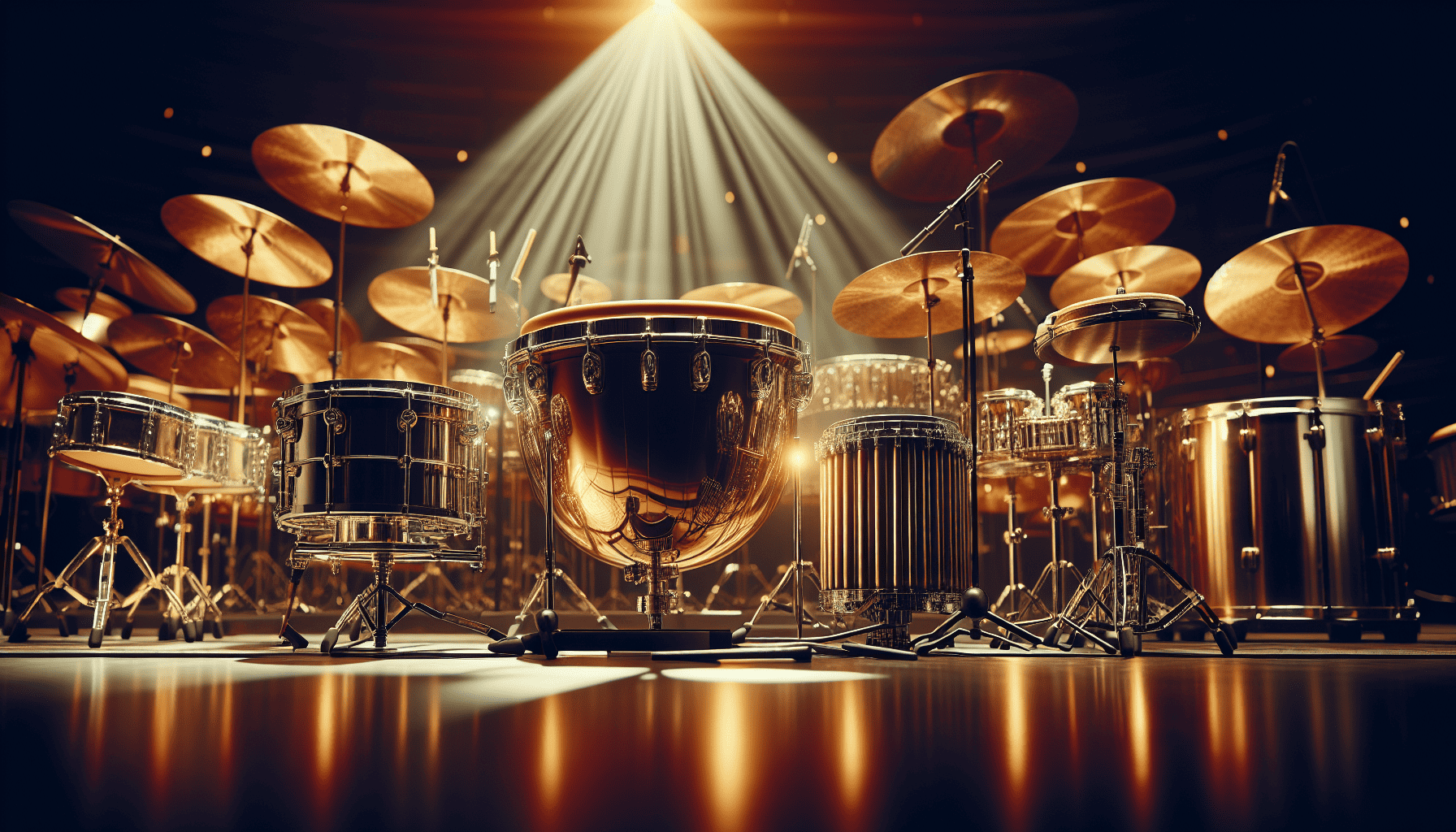
Let’s proceed to the percussion pioneers, the rhythm creators and color providers of the orchestra. From the timpani and snare drum to the bass drum, cymbals, and a variety of other percussion instruments, this section adds rhythm and color to the orchestra.
Let’s examine the heartbeat of the orchestra.
Timpani: Tunable Thunder
First up in the percussion section are the timpani, also known as kettle drums. These tunable drums add a thunderous sound to the orchestra, often used for dramatic effect. Their ability to be tuned allows them to play specific pitches, enhancing their role within the orchestra.
Snare Drum: Crisp and Articulate
Next, we have the snare drum, known for its crisp and articulate sound. The snare drum’s sharp and clear sound adds a rhythmic flair to the orchestra, creating dramatic moments and boosting the overall texture of the music.
Bass Drum: Earth-Shaking Power
Now, let’s turn to the bass drum. Known for its powerful, earth-shaking sound, the bass drum adds depth to the orchestra’s sound, producing a powerful beat that can be felt as well as heard.
Cymbals & Other Percussion Instruments: Diverse Sounds and Effects
Finally, we have the cymbals and a variety of other percussion instruments. These instruments offer a wide range of sounds and effects, adding to the richness of the orchestra’s sound. From the sharp, ringing sound of cymbals to the unique sounds of tambourines and triangles, these instruments truly add color to the orchestra.
Keyboard Companions: Enhancing the Orchestra
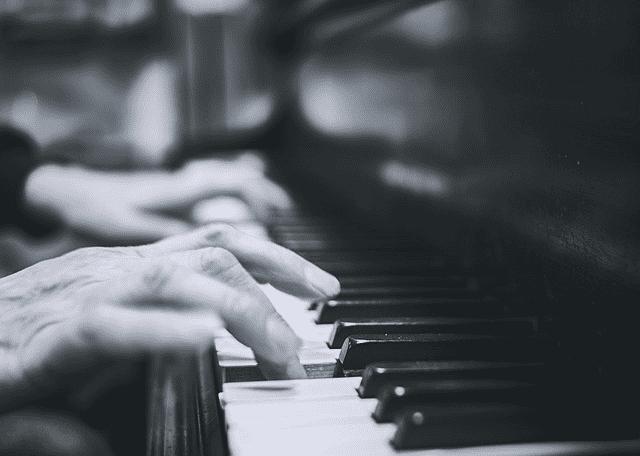
We shouldn’t forget the musical instruments, especially keyboard instruments such as:
the piano
the celeste
the harpsichord
the pipe organ
In addition to these, there are also other instruments to explore and appreciate.
These instruments play a significant role in enriching the orchestra’s sound. From providing harmonic support to taking the spotlight in solos, these keyboard companions add another layer of beauty to the symphony.
We should also remember the splendor and depth that a pipe organ injects into the orchestral composition!
Orchestral Seating Arrangements
Have you ever questioned how an orchestra organizes its musicians? The seating arrangement in an orchestra is a meticulously planned setup aimed at achieving an optimal balance of sound. Typically, the musicians are seated in the following order:
Strings (closest to the conductor)
Woodwinds
Brass
Percussion
This layout, though, isn’t fixed and can vary based on the composition, required instruments, and the conductor’s preferences.
Fun Facts About Orchestral Instruments
Were you aware that:
the term ‘orchestra’ stems from the Greek word ‘orchestra’, which means ‘a place for dancing’?
the earliest orchestras were developed from court bands in the 17th century?
young musicians from a Paraguayan slum would tour globally, playing instruments constructed from garbage?
These fun facts about orchestral instruments are a testament to the rich history, diversity, and intriguing stories behind the harmonious symphony we enjoy today.
Summary
In this enlightening journey through the orchestra, we’ve explored the unique sounds, roles, and histories of each instrument family – from the heart of the orchestra, the string family, to the rhythm and color brought by percussion, the expressive woodwinds, and the bold brass. Each instrument, with its unique characteristics and sound, plays a crucial role in creating the rich symphony that we know and love. So, the next time you listen to an orchestral piece, take a moment to appreciate the intricate blend of instruments that make up the symphony.
Frequently Asked Questions
What instrument are in an orchestra?
An orchestra typically includes string instruments such as the harp, violin, viola, cello and double bass; percussion instruments like timpani, snare drum, bass drum, cymbals, triangle, celesta and piano; and brass instruments which are made up of French horn, trumpet, trombone and tuba.
What are the 4 sections of the orchestra?
The orchestra is made up of four main sections: strings, woodwinds, brass and percussion.
What is the role of the violin in an orchestra?
The violin plays a prominent role in an orchestra, often taking the lead with high-pitched melodies and split into two sections for a harmonious sound.
How does the bassoon contribute to the orchestra’s sound?
The bassoon’s deep and resonant sound adds a unique flavor to the orchestra, and its wide tonal range allows it to make a big impact in supporting the overall sound.
What is the significance of the snare drum in the orchestra?
The snare drum adds a distinct rhythmic element to the orchestra, creating dramatic moments and giving the music more texture.