
Acoustic Guitar Tonewoods
Imagine strumming your favorite tune on a guitar that sings back to you with a rich, resonant timbre, each note hanging in the air like a misty morning’s breath. This auditory nirvana isn’t just a product of skilled playing; it’s deeply rooted in the soul of your instrument—the wood from which it’s made. For centuries, luthiers have sought out specific types of wood that can transform an ordinary acoustic guitar into a vessel of pure musical magic.
These coveted materials are known as tonewoods, and their secrets have been whispered among master craftsmen and discerning musicians alike. But what is it about these pieces of timber that can elevate an acoustic guitar from merely good to extraordinary?
In this fascinating exploration, we will delve into the often-overlooked world of acoustic guitar tonewoods. Here, you’ll uncover how the choice of wood can dramatically alter the sound profile of your instrument—from the deep, woody resonance of mahogany to the bright, sparkling clarity of maple.
We’ll reveal the hidden qualities that different tonewoods bring to the table and why certain species are held in such high regard. Moreover, you’ll learn how these woods influence not just the sound, but also the playability and aesthetic appeal of your guitar. So, whether you’re an aspiring musician, a seasoned guitarist, or simply a curious mind, prepare to unlock the mysteries that lie within the very fabric of your beloved six-string.
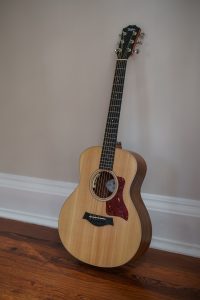
The Importance of Tonewoods in Acoustic Guitar Construction
When it comes to acoustic guitars, the choice of tonewoods plays a crucial role in determining the overall sound quality and resonance of the instrument. Acoustic guitar tonewoods are carefully selected for their unique acoustic properties, which significantly impact the tone and projection of the instrument.
Acoustic guitar tonewoods are categorized into two main types: top woods and back/side woods. The top wood, typically made of spruce or cedar, is responsible for the majority of the guitar’s tone and resonance. Spruce is known for its bright and articulate sound, making it a popular choice for acoustic guitar soundboards. Cedar, on the other hand, produces a warmer and more mellow tone, ideal for fingerstyle playing.
The choice of back and side woods, such as mahogany, rosewood, or maple, also plays a significant role in shaping the guitar’s sound. Mahogany is prized for its warm and woody tone, while rosewood offers rich bass and sparkling treble. Maple, with its bright and clear sound, is often chosen for its clarity and projection.
Different combinations of tonewoods can result in a wide range of tonal possibilities. For example, a guitar with a spruce top and rosewood back/sides may produce a balanced and versatile sound suitable for various playing styles. Conversely, a guitar with a cedar top and mahogany back/sides might offer a more focused and warm tone, perfect for intimate performances.
In addition to tone, acoustic guitar tonewoods also affect the overall aesthetics and durability of the instrument. Exotic tonewoods like koa or ebony not only add visual appeal but can also enhance the guitar’s tonal characteristics.
In conclusion, the choice of acoustic guitar tonewoods is a critical factor in creating an instrument with exceptional sound quality and playability. Whether you prefer a bright and articulate tone or a warm and mellow sound, understanding the characteristics of different tonewoods is essential for selecting the perfect acoustic guitar that suits your playing style and preferences.
Mahogany: The Warm and Resonant Classic
Mahogany is a timeless classic when it comes to acoustic guitar tonewoods. Its warm and resonant qualities make it a popular choice among musicians and luthiers alike.
The Secrets of Exceptional Acoustic Guitar Tonewoods Revealed in this blog post shed light on why mahogany stands out as a top choice for crafting high-quality instruments.
When it comes to acoustic guitar tonewoods, mahogany is renowned for its rich and full sound. Its warm tones provide a depth and complexity that enhance the overall musical experience for both the player and the listener.
One of the key characteristics of mahogany is its excellent midrange response, making it ideal for solo performances or accompanying vocals. This tonewood’s balanced sound profile allows for versatility in playing various music genres with ease.
Moreover, mahogany is known for its superb sustain, which adds a beautiful resonance to each note played. This quality contributes to creating a harmonious and melodic sound that captures the audience’s attention effortlessly.
In terms of aesthetics, mahogany’s rich reddish-brown hue adds a touch of elegance to acoustic guitars, making them visually appealing as well. Combined with its tonal qualities, mahogany becomes a top choice for both professional musicians and enthusiasts looking for exceptional sound and beauty in their instruments.
In conclusion, mahogany’s warm and resonant characteristics make it a classic tonewood choice for acoustic guitars. Its rich sound quality, excellent midrange response, superb sustain, and elegant appearance set it apart as a top-tier option for crafting exceptional musical instruments.
Spruce: The Versatile and Responsive Top Wood
Spruce, a versatile and responsive top wood, plays a crucial role in enhancing the sound quality of acoustic guitars. Among various acoustic guitar tonewoods, spruce stands out for its exceptional tonal clarity and dynamic range. Its ability to project crisp highs and rich lows makes it a popular choice for guitar soundboards.

Whether you prefer a bright and articulate tone or a warm and resonant sound, spruce can deliver the desired acoustic qualities. With its balanced characteristics and excellent responsiveness, spruce remains a top choice for luthiers and musicians looking to craft or play exceptional acoustic guitars.
Rosewood: The Rich and Complex Choice
Rosewood is a popular tonewood choice for acoustic guitars, known for its rich and complex sound profile. When it comes to acoustic guitar tonewoods, rosewood stands out for its warm tones and excellent resonance. Guitar makers and players appreciate the unique characteristics of rosewood, which add depth and clarity to the instrument’s sound.
The dense nature of rosewood contributes to its sustain and projection, making it a preferred choice for many musicians seeking exceptional sound quality. In the realm of acoustic guitar tonewoods, rosewood continues to captivate players with its exquisite tonal properties.
Maple: The Bright and Clear Alternative
Maple, known for its bright and clear tonal qualities, is a standout alternative among acoustic guitar tonewoods. Its distinct characteristics contribute to the exceptional sound profile of guitars, making it a popular choice for musicians seeking clarity and projection in their music.
Whether used for the top, back, or sides of a guitar, maple offers a unique tonal signature that sets it apart from other tonewoods. Understanding the secrets behind maple’s acoustic properties unveils a world of possibilities for crafting guitars with unparalleled sound quality and resonance.
Cedar: The Soft and Warm Tonewood
Cedar, known for its softness and warm tones, is a popular choice among luthiers for crafting acoustic guitars. Its unique acoustic properties make it ideal for achieving rich and vibrant sound profiles. Cedar tonewood is favored for its responsiveness and ability to produce a balanced tonal output, making it a top choice for both amateur and professional musicians. When it comes to selecting tonewoods for acoustic guitars, cedar stands out for its distinct characteristics that contribute to the overall quality and resonance of the instrument.
Ebony: The Elegant and Dense Fretboard Material
Ebony, known for its elegance and density, is a popular choice for fretboard material in acoustic guitars. Its smooth texture and rich dark color enhance the overall aesthetics of the instrument. Not only does ebony contribute to the visual appeal, but it also affects the tone quality, making it a key factor in selecting tonewoods for acoustic guitars.
The density of ebony results in a bright and clear sound, perfect for creating exceptional acoustic guitar tones. When exploring the secrets of acoustic guitar tonewoods, the significance of ebony in achieving superior sound qualities cannot be overlooked.
Exotic Tonewoods: Uncommon Gems for Unique Sounds
Exotic tonewoods are the uncommon gems sought after by musicians for their unique sounds and distinct characteristics. When it comes to acoustic guitar tonewoods, these rare woods unlock the secrets to achieving exceptional sound quality and resonance.
From the warm tones of mahogany to the bright, crisp notes of spruce, each tonewood contributes to the overall timbre and character of the instrument. Exploring the world of exotic tonewoods unveils a realm of possibilities for crafting instruments that stand out in terms of both aesthetics and sound quality.
Tonewood Combinations: Crafting Your Signature Sound
Crafting your signature sound involves understanding the secrets behind exceptional acoustic guitar tonewoods. By exploring different tonewood combinations, you can unlock a world of unique tones and textures that define your music. Experimenting with various acoustic guitar tonewoods allows you to tailor your sound to suit your style and preferences.
Whether you prefer the warmth of mahogany, the brightness of spruce, or the richness of rosewood, each tonewood combination offers a distinct sonic fingerprint that sets your music apart. Dive into the intricate world of tonewoods and discover how the right combination can elevate your playing to new heights.
Conclusion: Harnessing the Power of
Tonewoods in Your Acoustic Guitar
When it comes to maximizing the sound quality of your acoustic guitar, understanding the significance of the tonewoods used is crucial. Acoustic guitar tonewoods play a pivotal role in shaping the tone, resonance, and overall performance of your instrument. By selecting the right tonewoods, such as mahogany, spruce, or rosewood, you can unlock the full potential of your guitar’s sound.
Each tonewood has unique characteristics that contribute to the richness and depth of the music produced, making it essential to choose wisely based on your playing style and preferences. Experimenting with different tonewoods can lead to discovering the perfect combination that resonates with your musical expression.

Leave A Comment