3/4 time vs 6/8 time signature
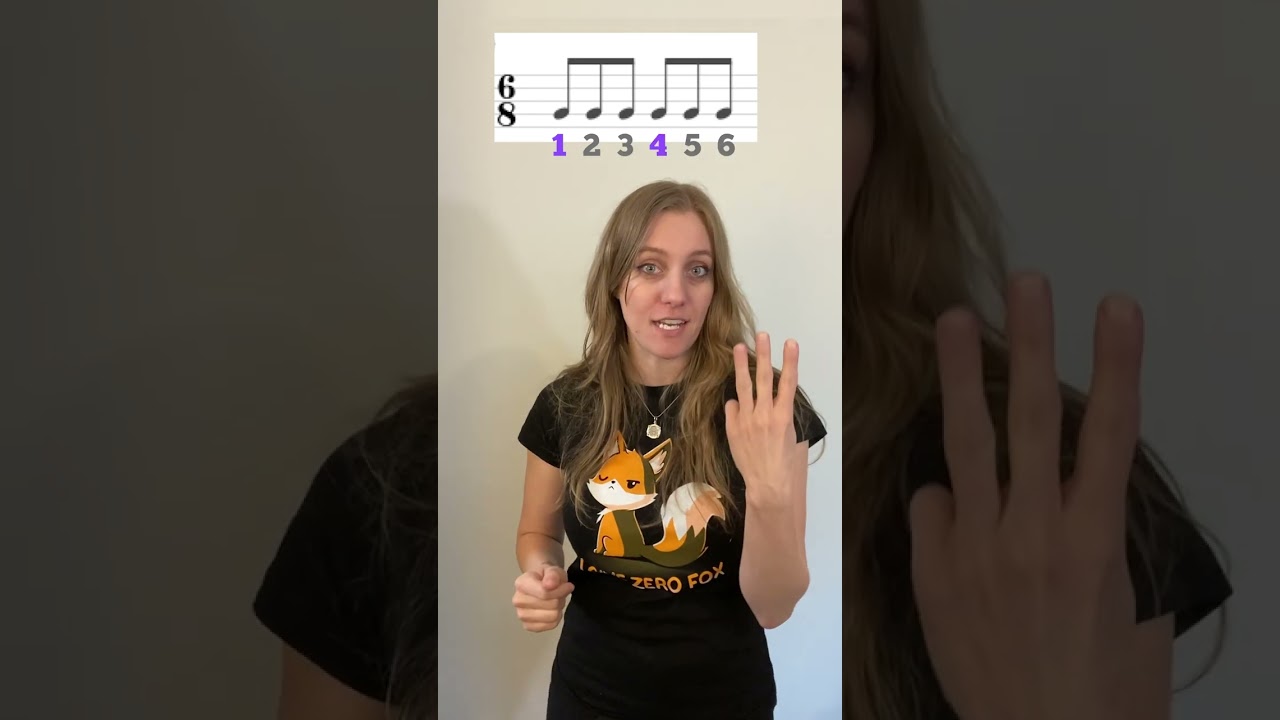
The Differences Between 3/4 and 6/8 Time Signatures in Music
When it comes to musical time signatures, two of the most common and closely related are 3/4 time and 6/8 time. Both of these signatures divide the musical bar into a specific number of beats, but the way those beats are grouped and felt can create very different rhythmic feels. Understanding the core differences between 3/4 and 6/8 time is an important part of developing a nuanced sense of musical timing and phrasing.
The Basics of Time Signatures
Before diving into the specifics of 3/4 and 6/8 time, it’s helpful to review the basic structure of time signatures in Western music notation. A time signature consists of two numbers, one on top of the other. The top number indicates how many beats are in each measure, while the bottom number specifies the note value that receives one beat.
For example, in 4/4 time (the most common time signature), the top “4” tells us there are 4 beats per measure, and the bottom “4” indicates that the quarter note (1/4 of a whole note) receives one beat. This creates a steady, march-like pulse that underpins a vast majority of popular, rock, and classical music.
3/4 Time Signature
The 3/4 time signature, then, tells us that each measure contains 3 quarter note beats. This creates a more lilting, waltz-like feel, as the strong beats fall on 1, 4, and 7 in a bar of 8 eighth notes. Some key characteristics of 3/4 time:
- 3 quarter note beats per measure
- Felt as “1-2-3, 1-2-3” with the first beat being the strongest
- Often used in waltzes, minuets, and other graceful, flowing genres
- Lends itself well to melodies and phrases that naturally group into 3s
- Can sound a bit “heavier” or more ponderous compared to 6/8 time
A classic example of 3/4 time in action is the waltz “The Blue Danube” by Johann Strauss II. The steady, lilting 1-2-3 pulse is what gives this piece its iconic waltz feel.
6/8 Time Signature
In contrast, 6/8 time also contains 6 beats per measure, but the bottom number is an 8 rather than a 4. This means that the eighth note (1/8 of a whole note) receives one beat, not the quarter note. This creates a very different rhythmic sensation, one that is more buoyant and sprightly compared to the more stately 3/4 time.
Some key characteristics of 6/8 time:
- 6 eighth note beats per measure
- Felt as “1-2, 3-4, 5-6” with the 1st and 4th beats being the strongest
- Often used in quick, lively pieces like jigs, tarantellas, and fast folk/traditional music
- Lends itself well to melodies and phrases that group naturally into two triplets per bar
- Can sound more “bouncy” and dance-like compared to the more grounded 3/4 time
A quintessential example of 6/8 time is the traditional Irish jig “The Kesh Jig.” The rapid 6-beat pulse, accented on the 1st and 4th beats, gives this piece its characteristic lively, springing quality.

The Relationship Between 3/4 and 6/8
Despite their differences, 3/4 and 6/8 time are quite closely related. In fact, it’s possible to interpret many pieces written in 6/8 time as being in a faster 3/4 time, and vice versa. The key distinction comes down to how the beats are grouped and felt.
In 3/4 time, the 3 quarter note beats are primary, with the 8th notes subdividing each beat. But in 6/8 time, the 6 eighth note beats are the main pulse, with the quarter notes acting as the larger organizing structure.
This relationship can be illustrated by comparing a waltz in 3/4 time to a fast jig in 6/8 time. If we take the waltz and double the tempo, it would start to feel more like a 6/8 time signature, with two triplet figures per bar. Conversely, a 6/8 jig played at a slower tempo could easily be reinterpreted as being in a graceful 3/4 time.
Ultimately, the choice between 3/4 and 6/8 comes down to the composer’s or arranger’s desired rhythmic feel and phrasing. 3/4 time evokes a more stately, waltz-like quality, while 6/8 time has a quicker, more lively and dance-oriented character. Both can be used to create beautiful, captivating music – it’s just a matter of which rhythmic sensibility best suits the piece.
Conclusion
In summary, while 3/4 and 6/8 time signatures may seem quite similar on the surface, they create distinctly different rhythmic feels in music. 3/4 time is characterized by a steady 1-2-3 pulse, lending itself well to graceful, lyrical pieces. 6/8 time, on the other hand, has a more buoyant, sprightly 1-2, 3-4, 5-6 feel, often used in fast, lively folk and traditional genres.
Understanding the unique properties of these two time signatures is an important part of developing fluency in music theory and composition. Being able to recognize, interpret, and compose in both 3/4 and 6/8 time allows musicians to bring a wider range of rhythmic textures and expressive possibilities to their work. Whether you’re a composer, arranger, performer, or simply an avid music listener, grasping the differences between these two signature styles can deepen your appreciation and understanding of the richness of musical time.
Do you understand the differece between simple meter and compound meter?
- Yes
- No
Keep reading
June 10, 2024 · 3 min read
Importance Of Musical scales and chords: two sides of the same coin
Musical scales and chords are like two sides of the same coin – they are deeply intertwined and understanding their relationship is key to unlocking the magic of music. Here’s a breakdown of how they…
June 1, 2024 · 3 min read
Music Theory: Cracking the Code
Music Theory: Cracking the Code Imagine you’re reading a cool comic book, but all the words are replaced with weird symbols. Confusing, right? That’s kind of what music can be like without a little…
January 3, 2024 · 18 min read
Guitarist’s Ultimate Guide: Home Recording Gear Essentials
What is the best way to record electric guitar? Unfortunately, […]